
Why Your Car’s Clutch Pressure Plate Matters: Ignore It, Get Stranded!
The Frustrating Scenario: When Your Clutch Acts Up
Picture this: you’re cruising down the highway, ready to shift gears, but your clutch pedal feels like it’s fighting back, or your car shudders like it’s auditioning for a dance-off. Worse yet, you floor the gas, but your car barely crawls. Sound familiar? Chances are, your clutch pressure plate is crying for attention. This often-overlooked component is the linchpin of your vehicle’s power delivery, and neglecting it could turn your ride into a roadblock. Buckle up as we dive into the critical role of the clutch pressure plate, the warning signs of trouble, and why skipping its replacement could cost you more than just a tow!
What Does a Clutch Pressure Plate Do? It’s the Power Conductor
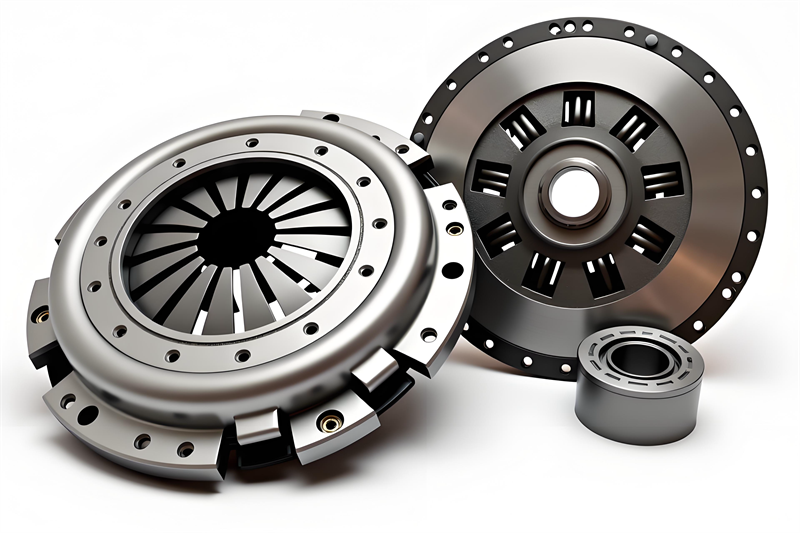
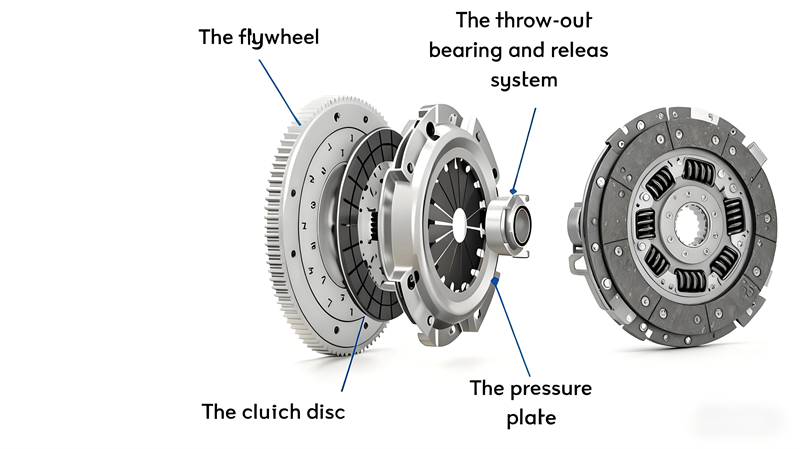
The clutch pressure plate is the powerhouse behind your car’s ability to harness engine torque. When you release the clutch pedal, this unsung hero clamps the clutch disc tightly against the flywheel, channeling the engine’s raw energy to the transmission and, ultimately, your wheels. It’s like a master conductor ensuring every note of power hits perfectly. Step on the pedal, and the pressure plate pulls back, breaking that connection to allow seamless gear shifts or a smooth stop. Together with the clutch disc and release bearing, it forms the holy trinity of your clutch system, ensuring your car responds like a dream.
Warning Signs: How to Tell Your Pressure Plate Is Wearing Out
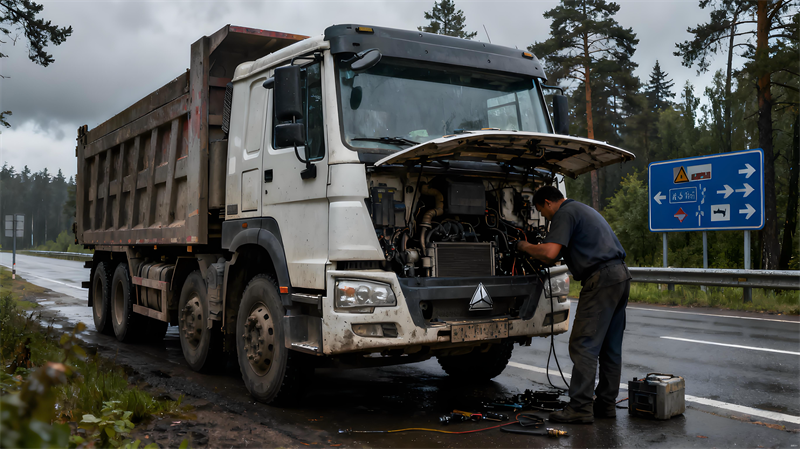
But when the pressure plate wears out, the dream can turn into a nightmare. A worn-out plate might make the clutch pedal feel like you’re pressing a brick, or you’ll notice excessive pedal travel. Shuddering during gear changes, incomplete disengagement, or a slipping clutch—where the engine revs but your speed lags—are telltale signs. In extreme cases, you might smell burning from an overheating clutch disc or, worst of all, lose all power transfer, leaving your car dead in the water. Heavy loads or frequent stop-and-go traffic can accelerate this wear, turning your commute into a stress test.
How Long Does a Clutch Pressure Plate Last? It Depends on Your Driving
How long does a pressure plate last? It depends on how you drive. Under normal conditions, a quality pressure plate can soldier on for 60,000 to 100,000 miles or more. But if you’re a city driver stuck in traffic, constantly riding the clutch, or a thrill-seeker who loves aggressive starts, you might need a replacement as early as 20,000 to 40,000 miles. Many modern clutch systems integrate the pressure plate with the clutch disc, so when it’s time to replace the disc, the pressure plate’s condition must be checked. Skimping on a pressure plate swap when it’s worn can doom a new clutch disc to premature failure, tanking performance and leaving you with a hefty repair bill down the line.
The Bottom Line: Don’t Ignore This Vital Component
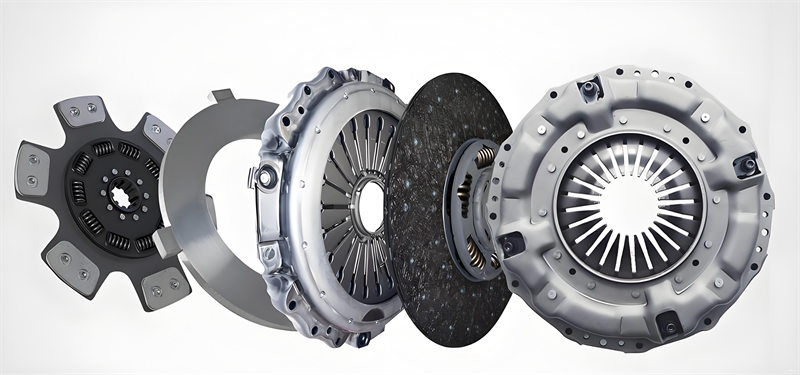
The bottom line? Your car’s clutch pressure plate might not be the most glamorous component, but it’s one of the most vital. Ignoring its health isn’t just a risk to your vehicle’s performance—it could leave you stranded on the side of the road, waiting for a tow and facing unexpected repair costs. Keep an eye out for the warning signs, stick to good driving habits, and don’t cut corners when it’s time for maintenance. Your clutch pressure plate will thank you, and so will your commute.
Send Inquiry
Online
 Sales Manager
 email
email
X
We use cookies to offer you a better browsing experience, analyze site traffic and personalize content. By using this site, you agree to our use of cookies.
Privacy Policy