
OEM vs Aftermarket Auto Parts: What’s the Difference? Avoid Scams When Repairing Your Car
When you take your car to a repair shop, mechanics often offer parts of different qualities: OEM parts, genuine parts (authorized aftermarket), and low-quality aftermarket parts. For most car owners—especially new ones—this choice is confusing. Are OEM parts really made by the car brand? Is there a big gap between genuine and aftermarket parts? And how do you avoid being tricked into buying shoddy parts?
Today, we’ll break down the key differences between these three types of auto parts, so you can make informed decisions and never get scammed during repairs.
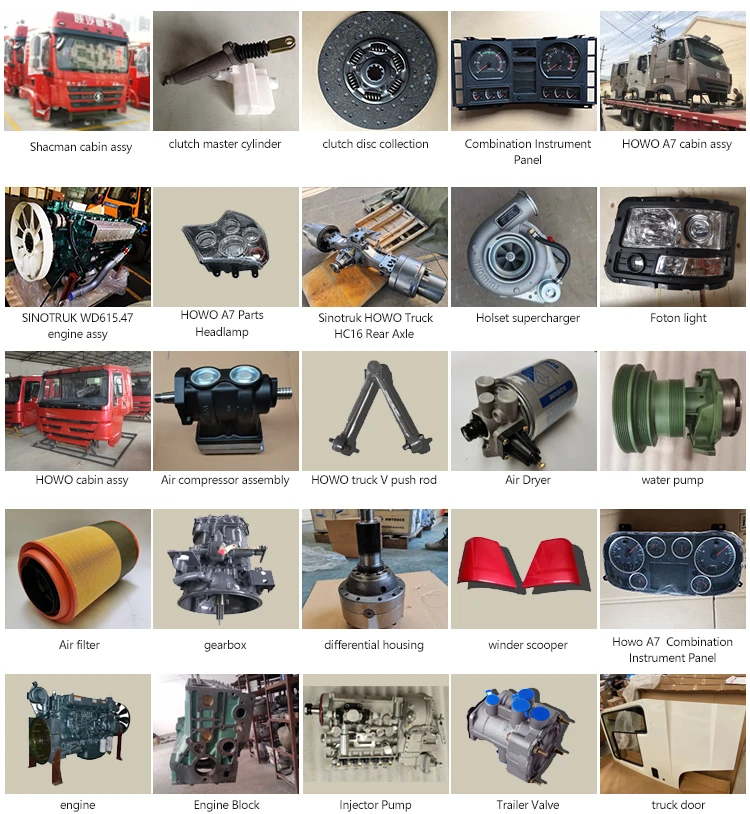
1. OEM Parts: Brand-Authorized Quality (But Higher Price)
Many car owners mistakenly think OEM parts (Original Equipment Manufacturer) are made directly by the car brand itself. In reality, most automakers only produce core components like engines and transmissions. Non-core parts—such as headlights, bumpers, and door handles—are manufactured by third-party suppliers authorized by the car brand.
These suppliers sign formal cooperation agreements with automakers and produce parts strictly according to the brand’s technical standards. The finished parts are then labeled with the car brand’s logo, making them official OEM parts.
Key Traits of OEM Parts:
• Quality Assurance: They pass the automaker’s strict quality certification, so they match your car’s specifications perfectly and offer reliable performance.
• Higher Cost: The price is usually the highest—you’re not just paying for the part itself, but also the automaker’s R&D costs, certification fees, and brand premium.
For critical safety components, OEM parts are the gold standard—but they’re not always necessary for every repair.
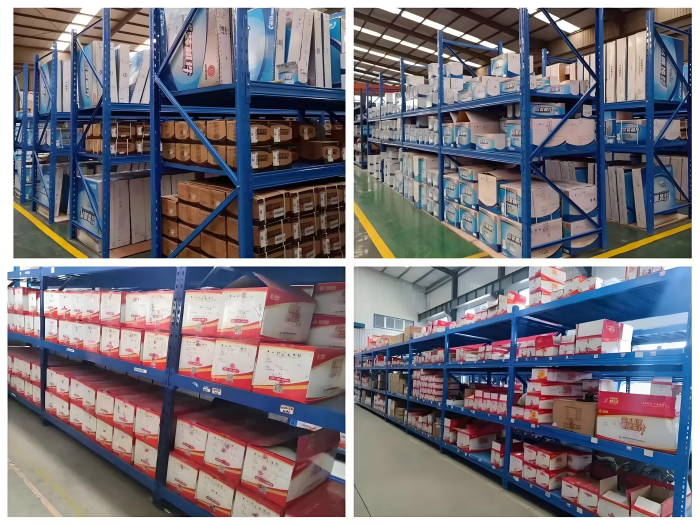
2. Genuine Authorized Parts: The Best Value for Money
Genuine authorized parts (often called "genuine aftermarket parts") share the same roots as OEM parts. They’re produced by the same authorized suppliers that make OEM parts, using identical molds, materials, and production processes. The only difference? They bear the supplier’s own brand logo instead of the car brand’s.
Key Traits of Genuine Authorized Parts:
• Near-OEM Quality: The quality is slightly lower than OEM parts in most cases, but the gap is minimal—especially if the supplier is reputable (avoid no-name manufacturers).
• 30-50% Cheaper Than OEM: Since they skip the car brand’s premium, they offer far better value. For non-safety-related repairs, they’re a smart choice for budget-conscious owners.
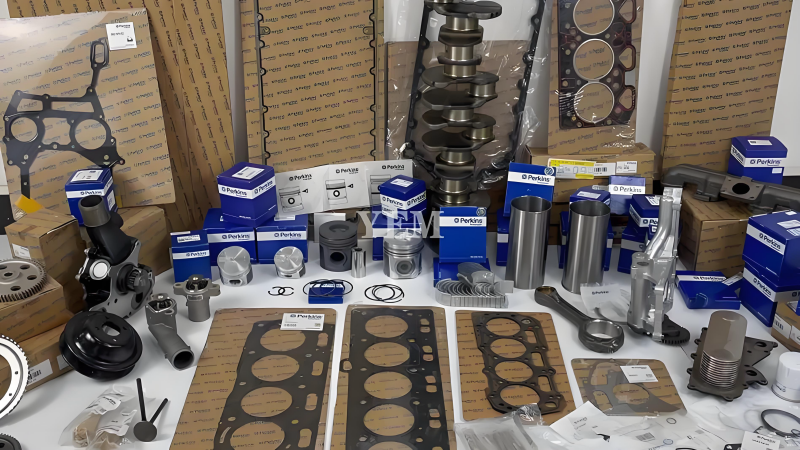
3. Low-Quality Aftermarket Parts: Cheap but High Risk
Low-quality aftermarket parts are essentially "counterfeit" or "knockoff" products. Small, unregulated factories copy popular car parts by reverse-engineering OEM or genuine parts—without formal technical support or quality control processes.
You’ve probably seen examples on the road: a car with one headlight brighter than the other, or a bumper that fades unevenly. Chances are, those are low-quality aftermarket parts.
Key Traits of Low-Quality Aftermarket Parts:
• Ultra-Cheap Price: They cost only 1/3 (or less) of OEM parts—because they cut corners on materials, craftsmanship, and testing.
• Unreliable Quality: Short service life, poor fit, and safety risks are common. For example, a counterfeit brake pad might wear out quickly, or a fake headlight could fail to illuminate properly at night.Longer Warranty (But a Catch): Many low-quality parts come with "long warranties," but claiming that warranty is often a hassle—suppliers may deny claims for "improper use" or disappear entirely.
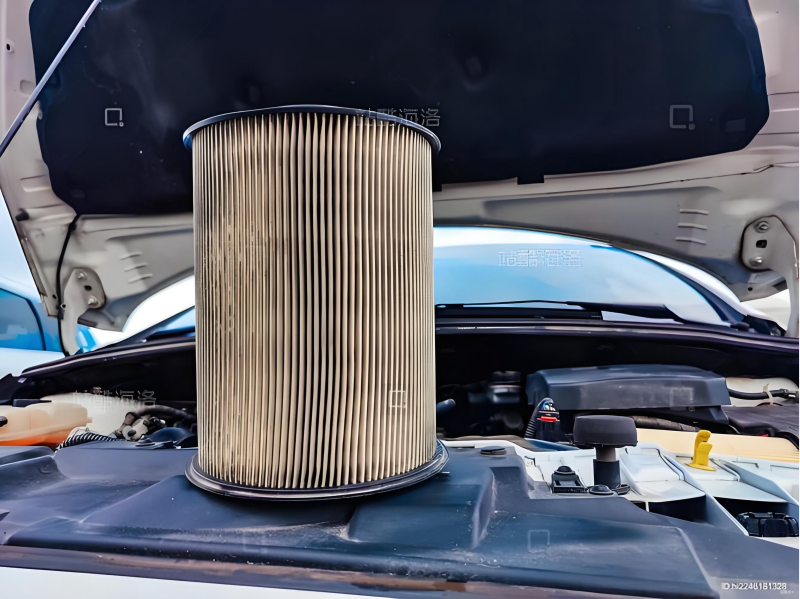
4. Bonus: Used Salvage Parts
There’s a fourth type of part you might encounter: used salvage parts. These are removed from wrecked or scrapped cars, and they’re extremely cheap—sometimes just 1/10 the price of OEM parts.
The quality of salvage parts is a lottery. Some are almost like new (if the original car was barely used), while others are on the verge of failing. You’ll need sharp judgment to assess their condition—or a bit of luck.
How to Choose the Right Parts for Repairs?
Don’t overspend on OEM parts unnecessarily, but never gamble with safety for cheap knockoffs. Here’s our practical advice:
| Part Type | Recommended Choice | Reason |
| Safety-Critical Components (brakes, steering, airbags, engine parts) | OEM or Genuine Authorized Parts | These directly affect your safety—compromising quality is risky. |
| Exterior/Decorative Parts (bumpers, headlights, trim, door handles) | Genuine Authorized or Low-Quality Aftermarket | Cosmetic parts don’t impact safety—choose based on your budget. |
Pro Tips: Avoid Being Scammed by Shady Shops
Shady mechanics often pass off low-quality aftermarket parts as genuine or OEM parts—especially since counterfeits now look surprisingly similar. Here’s how to protect yourself:
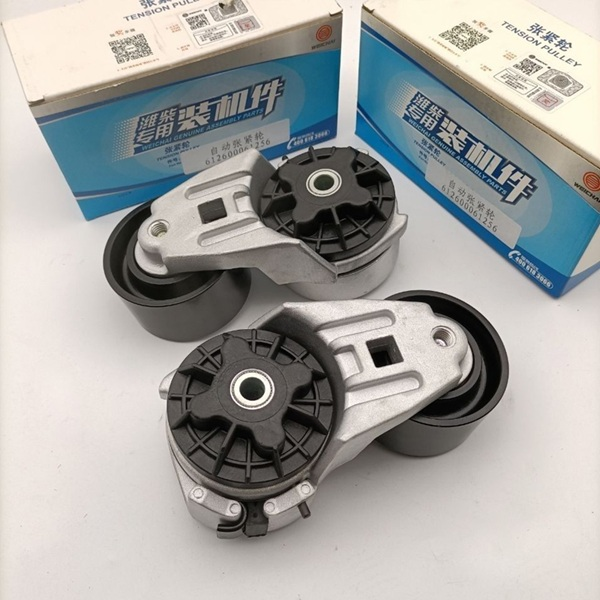
• Check Packaging: Genuine and OEM parts come with branded packaging, complete with a unique part number and anti-counterfeit label (scan the QR code to verify).
• Inspect Craftsmanship: Look for uneven edges, rough surfaces, or misaligned logos—these are red flags for counterfeits.
• Ask for Certification: Request proof of authorization from the supplier (genuine parts) or the automaker (OEM parts).
Final Thought: Balance Quality and Budget
The auto parts market is flooded with options, and quality varies wildly. As a car owner, your goal is to find the right balance:
• Don’t blindly chase OEM parts for every repair—you’ll waste money on cosmetic parts that don’t need brand-name quality.
• Don’t sacrifice safety for cheap low-quality aftermarket parts—a 50 counterfeit brake pad could lead to a 5,000 accident.
By understanding the importance of each part and the differences between OEM, genuine, and aftermarket options, you’ll make smarter choices, save money, and keep your car running safely for years.
Send Inquiry
Online
 Sales Manager
 email
email
X
We use cookies to offer you a better browsing experience, analyze site traffic and personalize content. By using this site, you agree to our use of cookies.
Privacy Policy