
What Is a Truck Pump and How Can It Improve Vehicle Efficiency?
Summary: Truck pumps are essential components in heavy-duty vehicles, responsible for fluid transfer, engine lubrication, and hydraulic operations. This article explores different types of truck pumps, key specifications, maintenance tips, and common customer questions to help fleet operators and truck owners optimize performance and minimize downtime.
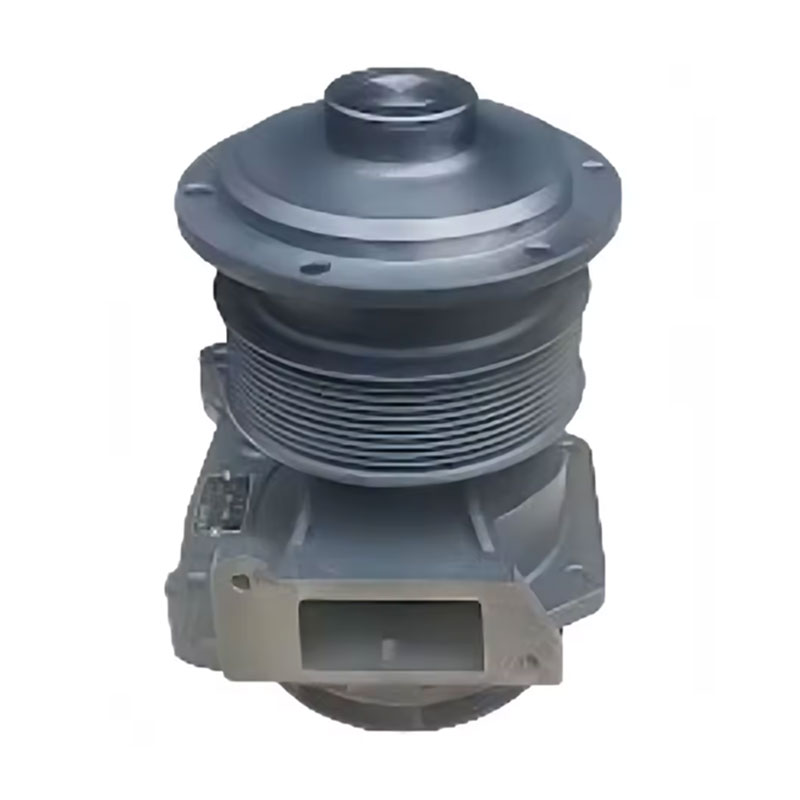
Table of Contents
- Types of Truck Pumps
- Key Specifications and Parameters
- Installation and Maintenance Tips
- Common Problems and Troubleshooting
- FAQs About Truck Pumps
- Conclusion
Types of Truck Pumps
Truck pumps are engineered to perform a variety of tasks in vehicles, from fuel transfer to hydraulic applications. The main types include:
- Fuel Pumps: Ensure consistent fuel flow to the engine, enhancing combustion efficiency and overall performance.
- Hydraulic Pumps: Support heavy-duty operations such as lifting, steering, and braking by circulating hydraulic fluid.
- Water Pumps: Crucial for engine cooling systems, maintaining optimal temperature to prevent overheating.
- Oil Pumps: Provide consistent lubrication to engine components, reducing wear and extending engine life.
Key Specifications and Parameters
Understanding the specifications of truck pumps is essential for selecting the right component for your vehicle. Below is a reference table for typical parameters:
| Parameter | Description | Typical Range |
|---|---|---|
| Flow Rate | The volume of fluid the pump can transfer per minute | 20–120 L/min |
| Operating Pressure | Maximum pressure the pump can sustain | 50–250 bar |
| Power Source | Type of drive mechanism (mechanical, electric, or PTO-driven) | Engine-driven, Electric motor, PTO |
| Material | Construction material for durability | Cast Iron, Aluminum Alloy, Stainless Steel |
| Temperature Range | Operational fluid temperature limits | -20°C to 120°C |
Installation and Maintenance Tips
Proper installation and regular maintenance of truck pumps ensure reliability and extended service life. Key recommendations include:
- Follow manufacturer guidelines for torque and mounting alignment.
- Check fluid levels and quality regularly to prevent contamination and corrosion.
- Inspect seals and gaskets for leaks and replace them promptly.
- Maintain a clean environment during installation to avoid debris entering the pump.
- Schedule periodic testing to ensure optimal flow and pressure output.
Common Problems and Troubleshooting
Truck pumps may experience issues that affect vehicle performance. Common problems include:
- Reduced Flow Rate: Often caused by clogged filters or worn internal components.
- Leaks: Seals or gaskets may fail under high pressure.
- Noisy Operation: Can indicate cavitation or air trapped in the system.
- Overheating: Usually due to insufficient lubrication or blocked fluid passages.
Addressing these problems quickly can prevent engine damage and costly downtime.
FAQs About Truck Pumps
Q1: How do I know which truck pump is suitable for my vehicle?
A1: Consider the engine type, required flow rate, operating pressure, and intended application. Manufacturers like Shengkunda provide specifications and guidance for selecting compatible pumps.
Q2: How often should a truck pump be serviced?
A2: Regular inspection every 10,000–20,000 km is recommended, along with checking fluid levels and cleaning filters to prevent early wear.
Q3: Can I replace a hydraulic pump with a fuel pump?
A3: No. Each pump type is designed for specific fluids and pressures. Using the wrong type can cause system failure or safety hazards.
Q4: What are signs that a water pump is failing?
A4: Common signs include engine overheating, coolant leaks, unusual noises, and decreased circulation efficiency.
Conclusion
Truck pumps are vital components that directly impact vehicle performance, safety, and longevity. Choosing the right pump, understanding its parameters, and maintaining it properly ensures smooth operation for fuel, hydraulic, water, and oil systems. Shengkunda offers high-quality truck pumps engineered for durability and reliability, supporting diverse vehicle applications. For further inquiries or to discuss customized solutions, contact us today and ensure your fleet operates at peak efficiency.
Send Inquiry
Online
 Sales Manager
 email
email
X
We use cookies to offer you a better browsing experience, analyze site traffic and personalize content. By using this site, you agree to our use of cookies.
Privacy Policy