
Article Summary: A turbocharger is a critical component in modern engines, designed to increase power output, improve fuel efficiency, and optimize overall engine performance. By utilizing exhaust gases to compress intake air, a turbocharger enables engines to deliver higher torque without increasing displacement. This article provides a comprehensive explanation of how a turbocharger works, its key components, technical parameters, common challenges faced by users, and practical solutions for maintenance and selection.
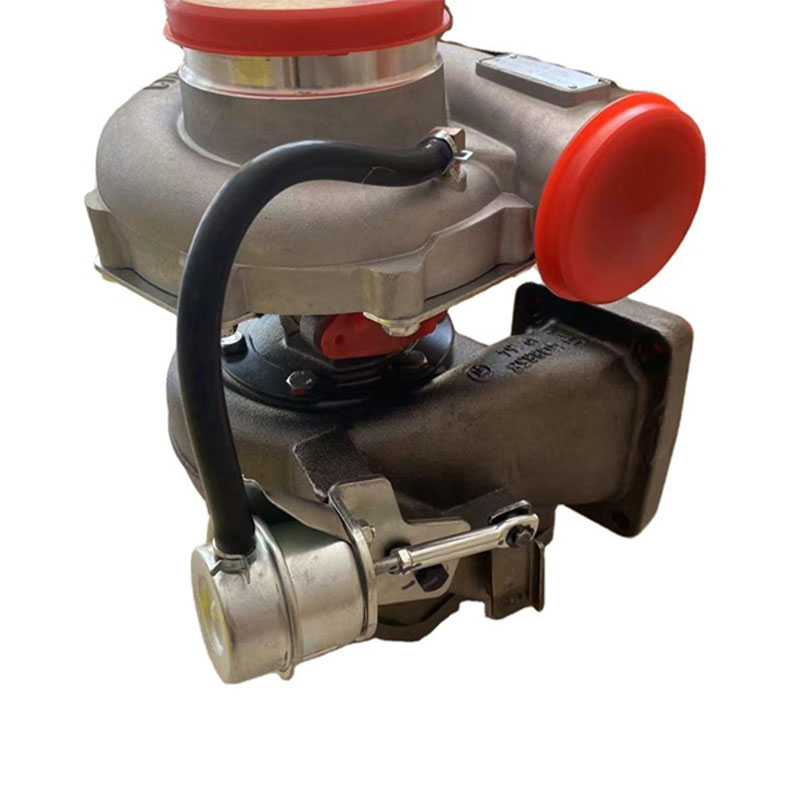
Table of Contents
- Turbocharger Overview
- How a Turbocharger Works
- Core Components and Structure
- Key Technical Parameters
- Applications Across Vehicle Types
- Common User Concerns and Solutions
- Frequently Asked Questions
- Conclusion and Contact
Turbocharger Overview
A turbocharger is a forced-induction device used in diesel and gasoline engines to enhance power output by increasing the amount of air entering the combustion chamber. Unlike naturally aspirated engines, turbocharged engines rely on compressed air to achieve more efficient combustion. This approach allows smaller engines to deliver performance comparable to larger engines while maintaining lower fuel consumption and emissions.
Turbochargers are widely used in passenger vehicles, commercial trucks, construction machinery, and industrial engines. Their ability to balance performance and efficiency makes them essential in modern powertrain systems.
How a Turbocharger Works
A turbocharger operates by harnessing exhaust gas energy that would otherwise be wasted. As exhaust gases exit the engine, they pass through the turbine housing, spinning the turbine wheel at high speed. This turbine is connected via a shaft to the compressor wheel on the intake side.
The compressor wheel draws in ambient air and compresses it before delivering it into the engine’s intake manifold. The increased air density allows more fuel to be injected, resulting in a more powerful combustion cycle. This process improves engine responsiveness, torque output, and overall efficiency.
Core Components and Structure
- Turbine Housing: Directs exhaust gases to the turbine wheel and converts thermal energy into mechanical rotation.
- Compressor Housing: Draws in and compresses intake air for delivery to the engine.
- Shaft and Bearing System: Connects turbine and compressor wheels, ensuring smooth high-speed rotation.
- Wastegate: Regulates exhaust flow to control boost pressure and prevent overloading.
- Actuator: Controls wastegate operation based on engine load and boost demand.
Key Technical Parameters
| Parameter | Description |
|---|---|
| Boost Pressure | The amount of compressed air delivered to the engine intake |
| Compressor Flow Rate | Volume of air the turbocharger can supply at a given speed |
| Turbine A/R Ratio | Determines exhaust flow characteristics and response time |
| Maximum RPM | Maximum rotational speed of the turbocharger shaft |
| Cooling Method | Oil-cooled or water-cooled bearing housing |
Applications Across Vehicle Types
Turbochargers are extensively used in light-duty vehicles to enhance fuel economy while maintaining acceleration performance. In commercial trucks, turbochargers provide the high torque required for heavy loads and long-distance transport. Industrial engines benefit from stable power output under continuous operation, making turbochargers a reliable solution for demanding environments.
Advanced turbocharger designs also support emission reduction systems by improving combustion efficiency and reducing particulate output.
Common User Concerns and Solutions
One common concern is turbo lag, which refers to the delay between throttle input and boost response. This issue is often addressed through optimized turbine sizing or variable geometry turbochargers.
Another concern involves durability and maintenance. Proper lubrication, high-quality engine oil, and regular inspection significantly extend turbocharger service life. Overheating and contamination are preventable through correct installation and adherence to maintenance schedules.
Frequently Asked Questions
What are the main benefits of using a turbocharger?
A turbocharger increases engine power, improves fuel efficiency, and enables smaller engines to achieve higher performance without increasing fuel consumption.
Does a turbocharger increase engine wear?
When properly maintained, a turbocharger does not significantly increase engine wear. Using recommended oil grades and allowing proper warm-up and cool-down periods helps maintain reliability.
How long does a turbocharger typically last?
Under normal operating conditions and with correct maintenance, a turbocharger can last as long as the engine itself, often exceeding 150,000 kilometers.
Can a turbocharger be repaired or rebuilt?
Yes, many turbochargers can be professionally rebuilt, replacing worn bearings, seals, and balancing components to restore performance.
Conclusion and Contact
A turbocharger is a proven solution for enhancing engine performance, efficiency, and reliability across a wide range of applications. Understanding its working principles, technical parameters, and maintenance requirements allows users to maximize value and operational stability.
Sheng Kunda specializes in supplying high-quality turbocharger solutions designed to meet demanding performance standards. For detailed product information, technical support, or customized solutions, contact us today and connect with a professional team ready to support your engine system needs.
 Sales Manager
 email
email