
Why Truck Maintenance Matters: The 5 Critical Filters That Extend Your Vehicle’s Life

If you’re a truck driver, you know your rig is more than just a vehicle—it’s your livelihood. But here’s a common frustration: two trucks, same make, same engine, same route… yet one breaks down constantly, while the other runs like a dream. That’s the story of Lao Wu and Lao Li, two Chinese truckers who bought identical trucks at the same time. Lao Wu’s truck struggled with weak climbing power, strange intake noises, black smoke, and shaky acceleration. Lao Li’s? It stayed on the road, reliable and efficient.
The difference? Maintenance.
Truckers often say, “30% repair, 70% upkeep”—and they’re right. The key to keeping your truck running smoothly lies in its filtration systems: the unsung heroes that keep dirt, debris, and contaminants out of your engine and critical components. Below, we break down the 5 essential filters every truck driver needs to know—how they work, why quality matters, and when to replace them—tailored to international driving and maintenance habits.
1. Air Filter: Your Engine’s “Lungs”
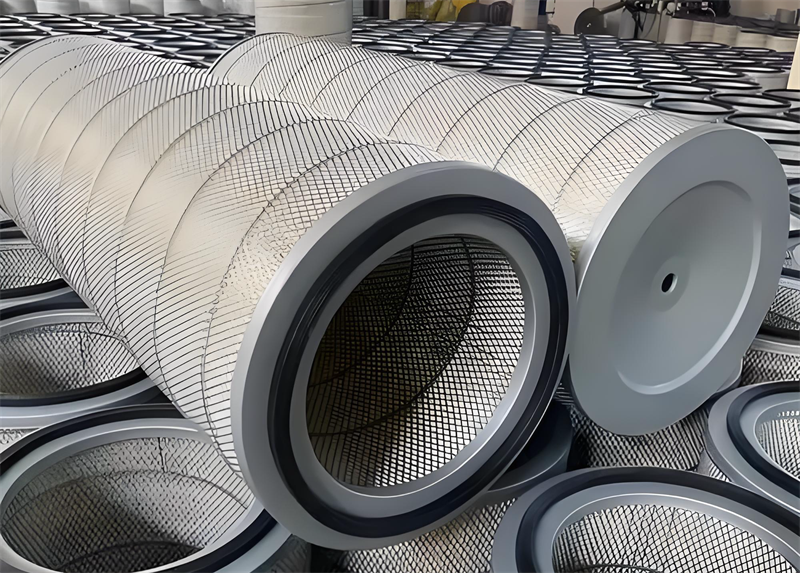
Think of your truck’s engine as a person—if you breathe dirty air, you get sick. The same goes for your engine. The air filter traps dust, sand, and particles from the air before they enter the combustion chamber, preventing premature wear on valves, turbochargers, and piston rings.
Why Quality Counts: OEM vs. Aftermarket
• OEM (Original Equipment Manufacturer) Filters: Yes, they cost more—but they’re worth it. OEM filters use high-density, smooth filter paper that balances airflow and filtration. For light-duty trucks, an OEM air filter only needs cleaning at 10,000 km and replacement at 20,000 km.
• Aftermarket Filters: Cheaper upfront, but risky. Low-quality paper clogs quickly (some need replacement as early as 5,000 km) and may let tiny particles slip through. Over time, this causes valve damage, increased oil consumption, and black smoke—costing you more in repairs than you saved on the filter.
Pro Tips for Use
• Dual-Layer (Inner Liner) Filters: Some OEM filters have an extra inner liner. Don’t remove it! It adds a second barrier against fine dust, even if it slightly reduces airflow (you won’t notice the difference in daily driving).
• Installation Matters: Always check the filter’s “front” and “back” markings. Installing it backwards will cause black smoke on startup and sudden shutdowns—avoiding this mistake saves you from unnecessary engine stress.
2. Oil Filter: Protecting Your Engine’s “Bloodstream”
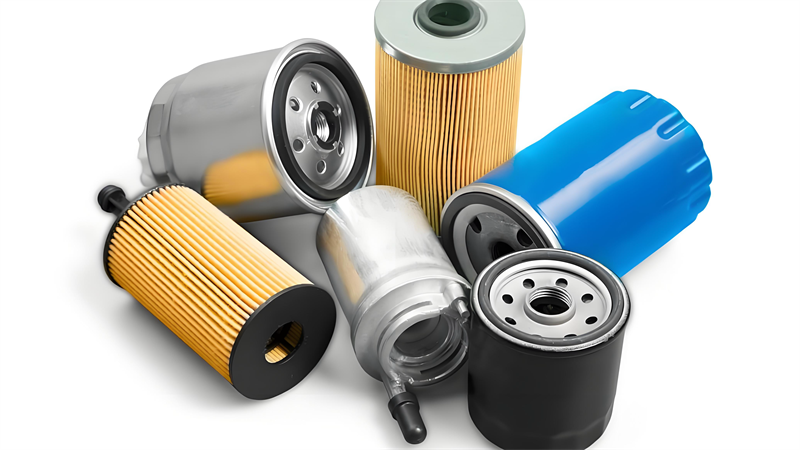
Engine oil is your truck’s lifeblood, but it picks up metal shavings, dirt, and sludge as it circulates. The oil filter catches these contaminants, keeping the oil clean and preventing damage to critical parts like crankshafts, pistons, and valves.
Location Varies by Truck Type
• Heavy-Duty Trucks: Oil filters are usually on the side or top of the engine.
• Light-Duty Trucks: Look for them at the front of the engine.
• Micro-Trucks: Often mounted at the bottom of the engine (easy to access during oil changes).
Types & Maintenance
Oil filters come in two main styles: paper filters and metal-cased filters (with built-in gaskets, check valves, and bypass valves). Regardless of type, never skimp on quality. A cheap filter will clog early, forcing dirty oil to circulate and wear down your engine. Follow your truck’s manual for replacement intervals—usually every 10,000 to 15,000 km, or with every oil change.
3. Fuel Filter: Clean Fuel = Strong Performance
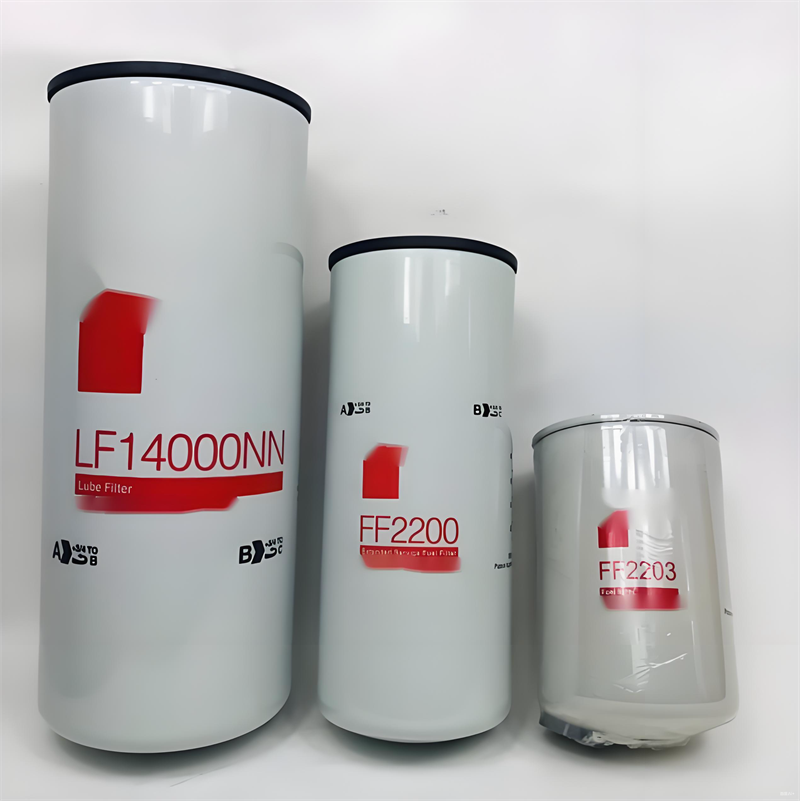
Modern diesel engines (especially Euro V/VI or China V/VI models) are sensitive to impurities. Even tiny particles or water in diesel can clog injectors, reduce power, and damage expensive high-pressure fuel systems. The fuel filter removes these contaminants, ensuring your engine gets clean fuel.
Two-Stage Filtration: Don’t Skip Either
Most trucks have a dual-filter system:
1. A primary filter on the chassis (catches large debris and water).
2. A secondary filter near the engine (fine filtration for small particles).
Both filters need regular checks. OEM fuel filters are designed to meet strict emission standards—aftermarket ones may not filter as thoroughly, leading to injector failures that cost thousands to repair.
Replacement Rule
Change fuel filters every 10,000 km, or sooner if you notice:
• Slower acceleration
• Increased fuel consumption
• Engine sputtering at idle
4. Urea Filter: For Emission-Compliant Trucks (Euro V/VI)
If your truck uses a Selective Catalytic Reduction (SCR) system (required for Euro V/VI and China V/VI standards), the urea filter is non-negotiable. It filters impurities from diesel exhaust fluid (DEF/urea), preventing clogs in the urea injector and SCR catalyst.
Key Facts
• Replacement Interval: Every 10,000 km—sync this with your fuel filter change to save time.
• Use OEM Urea Too: Low-quality urea (often sold as “budget” DEF) contains metal ions that corrode the urea pump and nozzle. A 50 bottle of bad urea can lead to 2,000+ in repairs—stick to OEM.
5. Air Dryer: Safety for Your Brakes
Trucks use compressed air for braking—and compressed air holds moisture. If that moisture freezes in cold weather or corrodes valves in hot weather, your brakes can fail. The air dryer removes water and impurities from the compressed air system, keeping your brakes responsive and safe.
Easy to Find, Easy to Maintain
You’ll find the air dryer on the left side or inner part of the truck’s frame—it’s hard to miss. For light-duty trucks, service it every 10,000 to 20,000 km (replace the desiccant or filter element as needed).
Why It’s Non-Negotiable
A neglected air dryer leads to:
• Leaky brake master cylinders
• Failed quick-release valves
• Spongy or unresponsive brakes
These issues don’t just cost money—they put your safety at risk.
Final Thought: Maintenance Is an Investment, Not a Cost
Lao Wu’s mistake was cutting corners on filters and upkeep. He saved 100 on an aftermarket air filter, but ended up spending 3,000 on engine repairs and losing a week of work. Lao Li? He stuck to OEM filters and regular maintenance—his truck runs reliably, and he spends less time in the shop and more time on the road.
For truckers worldwide, your rig is your most important tool. Treat it like one:
• Choose OEM filters (they last longer and protect better).
• Follow replacement intervals (don’t wait for a breakdown).
• Check filters during pre-trip inspections (catch small issues early).
At the end of the day, good maintenance isn’t about spending money—it’s about keeping your truck, and your business, moving forward.
Send Inquiry
Online
 Sales Manager
 email
email
X
We use cookies to offer you a better browsing experience, analyze site traffic and personalize content. By using this site, you agree to our use of cookies.
Privacy Policy