
How to Choose a High-Quality Air Filter: 6 Key Factors to Consider
An air filter is an absolutely indispensable core component for regular vehicle maintenance. It may look simple in structure, but it actually involves a lot of technical know-how. Today’s auto parts market is flooded with a wide range of air filter brands, yet the technical standards and quality of different brands vary drastically—some meet high industry standards, while others can’t even satisfy basic requirements.
Want to pick a truly high-quality air filter? The 6 key factors below will help you easily avoid low-quality products and choose the right one for your car.
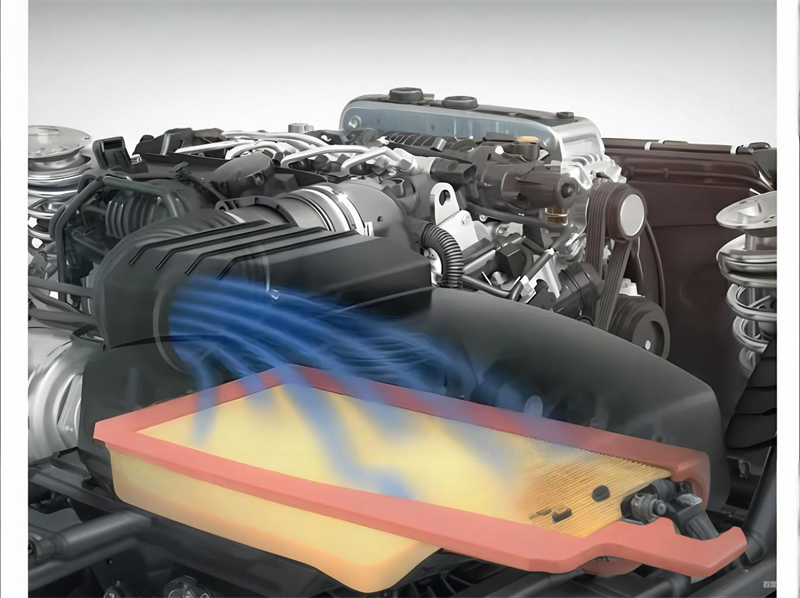
1. Filter Media Efficiency
The core function of an air filter is to trap various particles in the air, preventing these impurities from wearing down internal engine parts. That’s why the density of the filter media directly determines the filtration performance of the air filter. Only when the filter media achieves high filtration efficiency can you ensure the engine runs smoothly and without failures at all times.
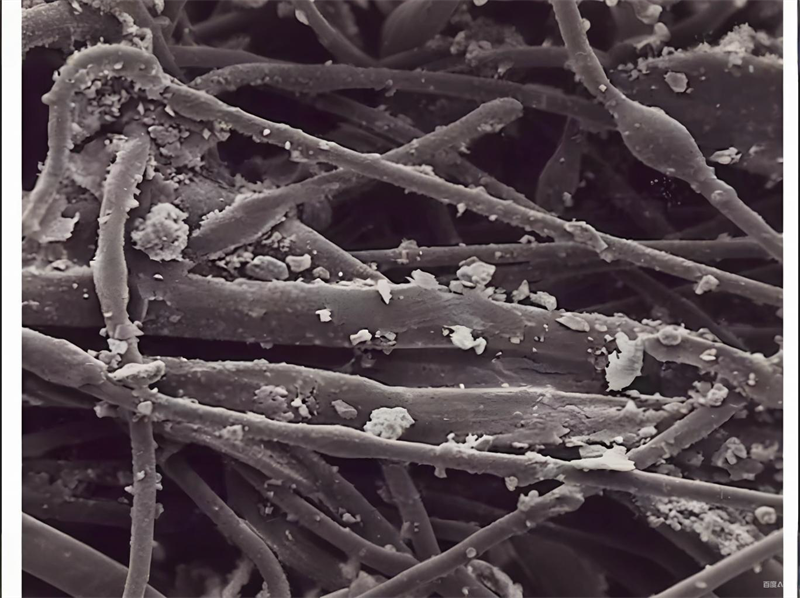
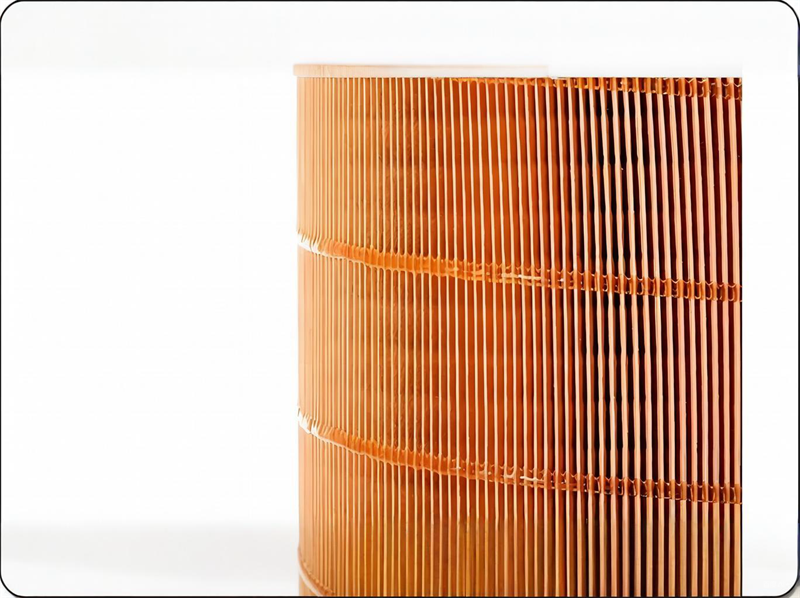
High-quality filter media (usually high-density composite paper) can capture over 99% of micron-sized particles, such as common PM2.5 and fine dust. However, the fibers of low-quality filter media are extremely sparse—you can even see gaps directly. Impurities can easily pass through the filter media and enter the engine, causing significant damage to the engine over the long run.
2. Dust Holding Capacity
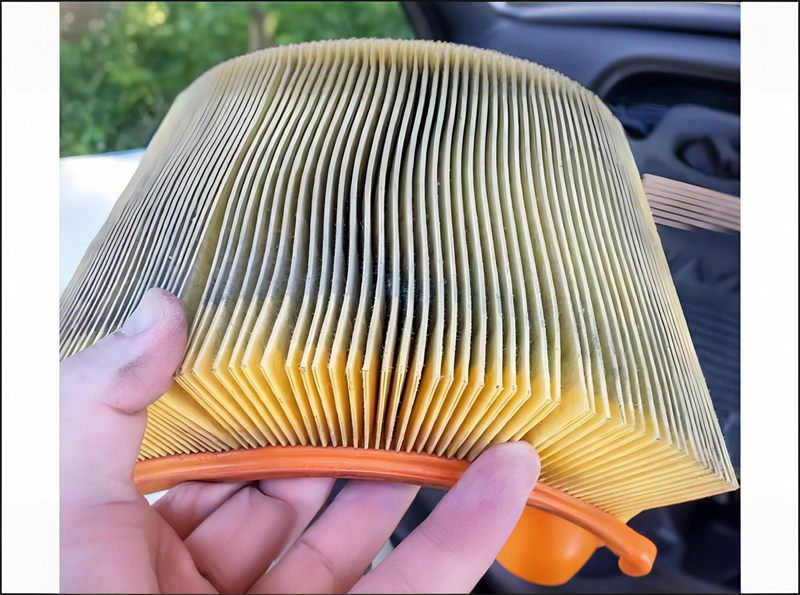
As an air filter is used over time, its internal gaps will gradually get clogged with airborne impurities, leading to reduced air flow. When this happens, you have to replace it with a new one. But here’s a useful tip: if two air filters have similar filtration efficiency, the one with higher dust holding capacity (i.e., the total amount of dust the filter media can hold) will have a longer service life. This not only reduces the frequency of replacements but also cuts down on long-term maintenance costs significantly.
For example, a high-quality air filter with good dust holding capacity can work properly for more than 5,000 kilometers. In contrast, a low-quality one with poor dust holding capacity may need replacement after just 3,000 kilometers—both troublesome and costly.
3. Sealing Performance
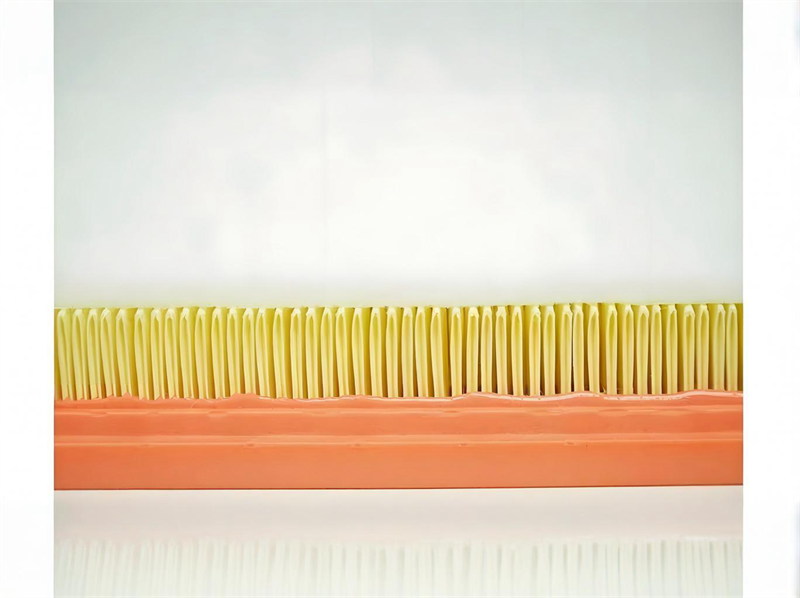
Beyond the filter media, sealing performance is also crucial for the filtration effect of an air filter—a point that many people easily overlook. Good sealing mainly depends on two aspects:
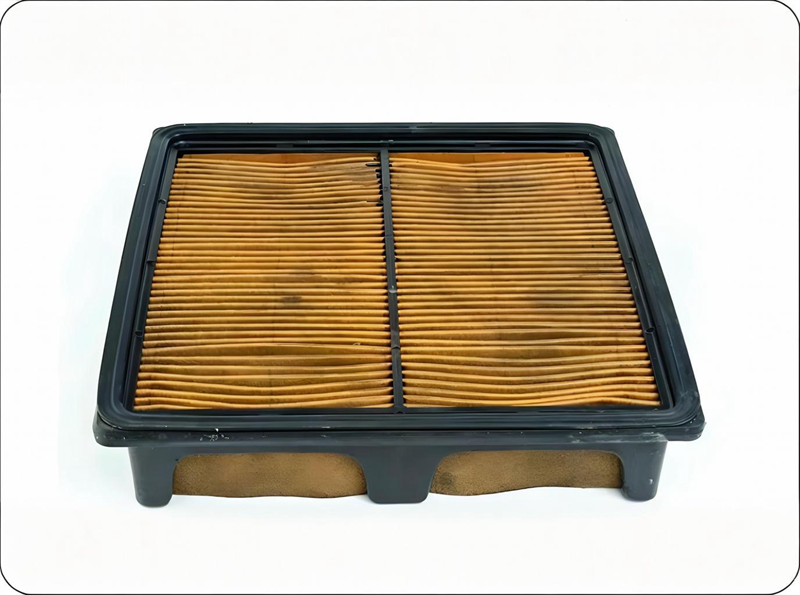
• First, the shape of the filter must fit the filter housing “perfectly,” with no gaps or looseness whatsoever;
• Second, the foam material around the filter must have sufficient elasticity. Even when exposed to the high-temperature environment of the engine (temperatures can reach 80–120°C) for a long time, it should not deform, age, or lose its sealing function.
If the sealing performance is poor, unfiltered air will bypass the filter media and enter the engine directly. In that case, the air filter is essentially useless and won’t provide any protection at all.
4. Structural Strength
When the engine is running, the air intake system generates continuous airflow impact. This impact becomes even stronger during rapid acceleration or high-speed driving. Many low-quality air filters fail because their structural strength is insufficient—the filter media gets torn by the airflow, and the fragments are sucked into the engine, eventually causing serious malfunctions. This kind of situation is actually quite common in repair shops.
High-quality air filters feature reinforced structural designs: for instance, the filter media is fixed with high-strength glue to prevent it from falling off; the frame is made of impact-resistant plastic (not the low-quality kind that breaks easily); some products even add a support net on the back of the filter media to further enhance durability, making them more capable of withstanding airflow impact.
5. Flame Retardant Property
Though uncommon, there are indeed dangerous situations—such as engine overheating or intake manifold backfire—where the air filter may be exposed to high temperatures or even open flames. If an air filter lacks flame retardant property, it can easily catch fire, increasing the risk of vehicle ignition with disastrous consequences.
To avoid such risks, high-quality air filters are all treated with flame retardant measures: flame retardants are added to the filter media, so it won’t keep burning even if it comes into contact with sparks; the frame is made of flame-retardant plastic, which won’t melt or catch fire under high temperatures. When buying, you can pay extra attention to whether the product has a “flame retardant certification” label—products with certification are more reliable.

6. Water Resistance
Most air filters are made of paper, which is naturally somewhat absorbent. If used for a long time in rainy or humid areas, a non-waterproof filter can easily become moldy and rot. This not only damages the filter media and reduces filtration efficiency but also causes the filter media to thicken due to water absorption. As a result, air intake resistance increases, leading to decreased engine power and higher fuel consumption—definitely not worth it.
High-quality air filters take special measures for water resistance: for example, a hydrophobic coating is added to the surface of the filter media, so water droplets will condense and slide off instead of being absorbed by the filter media; some products even have a waterproof cover installed on the outside of the filter for double protection. Here’s a simple test method: drop a little water on the filter media—a high-quality product will not absorb the water.
Final Check: Is Your Air Filter High-Quality?
The 6 key factors above cover all the essential points for choosing a reliable air filter. Next time you buy an air filter, evaluate the product against these standards, and you’ll barely make a wrong choice. Remember: a high-quality air filter doesn’t cost much, but it can protect your engine from costly damage. In the long run, it will actually save you a lot of repair expenses.
Send Inquiry
Online
 Sales Manager
 email
email
X
We use cookies to offer you a better browsing experience, analyze site traffic and personalize content. By using this site, you agree to our use of cookies.
Privacy Policy