
Truck Leaking Oil? Three Simple Fixes
Oil leaks are a common headache for truck drivers. They're messy, wasteful, and can even cause fires because of static electricity. This puts the truck and everyone around it at risk.
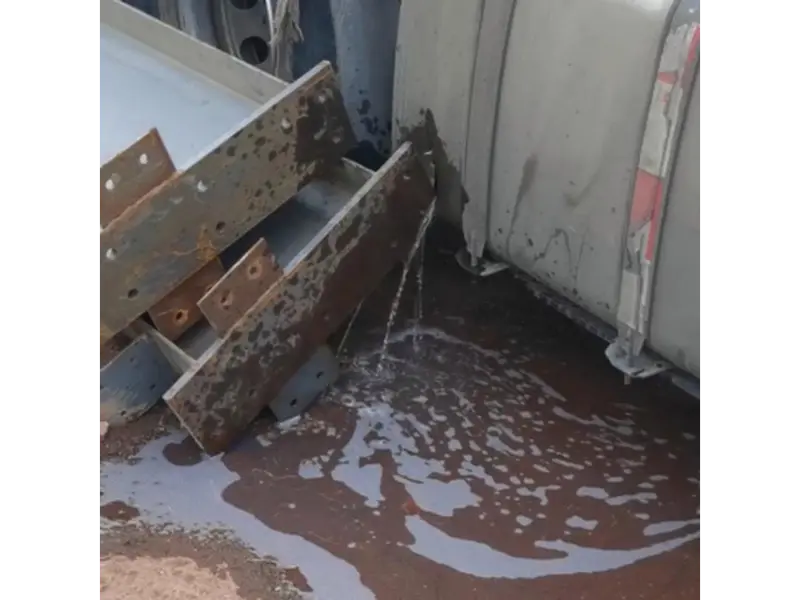
So, how can you tell if your truck has a fuel leak? Here's what to look for:
1.Smell: When the engine is hot, park the truck in a quiet spot and sniff around the fuel tank for gas fumes.
2.Sight: Check the fuel tank's bottom and sides for any oil stains. A vehicle inspection platform makes this easier.
3.Touch: If you see a suspicious area, touch it. If your hand comes away with wet, black oil, you've found a leak.
Keep in mind, a little oil around the engine isn't always a leak. Sloppy oil fills can cause spills. If you're using a funnel and cleaning up afterward, that's not oil leakage. True leaks involve oil dripping or flowing out. This can come from loose drain plugs or filters, damaged oil cooler lines, or holes in the oil pan or filter. High temperatures and pressure make leaks worse, draining the oil quickly.
Here are three common reasons for oil leaks:
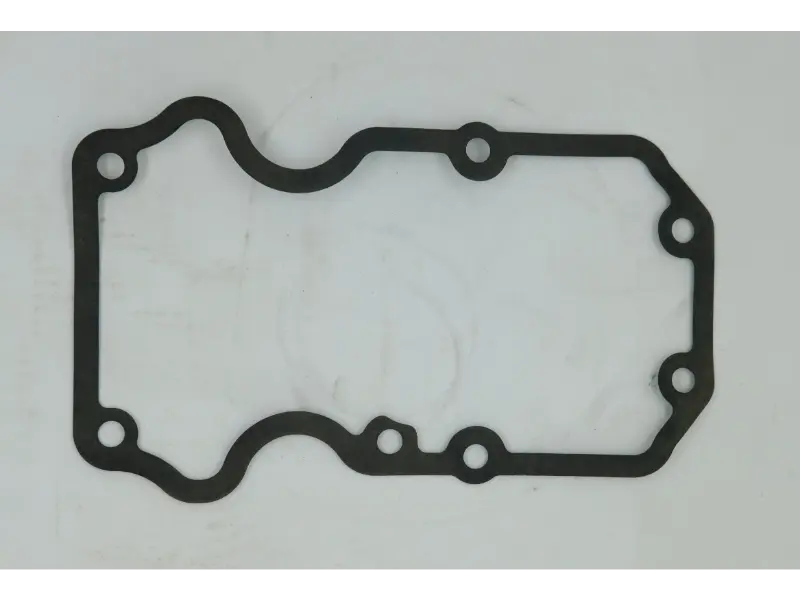
1.Bad Gaskets: Gaskets seal parts together to prevent leaks. If they're installed wrong, are too loose or tight, or are just poor quality, they won't seal well.
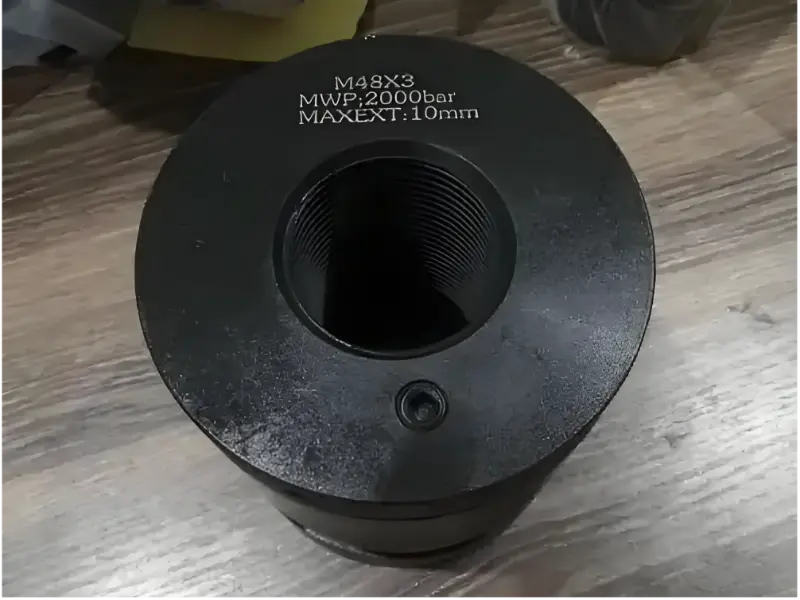
2.Loose Nuts: A loose oil drain plug is a recipe for oil loss. In bad situations, this can wreck the engine. Nuts that are taken off and put back on a lot can strip and loosen, causing leaks, too.
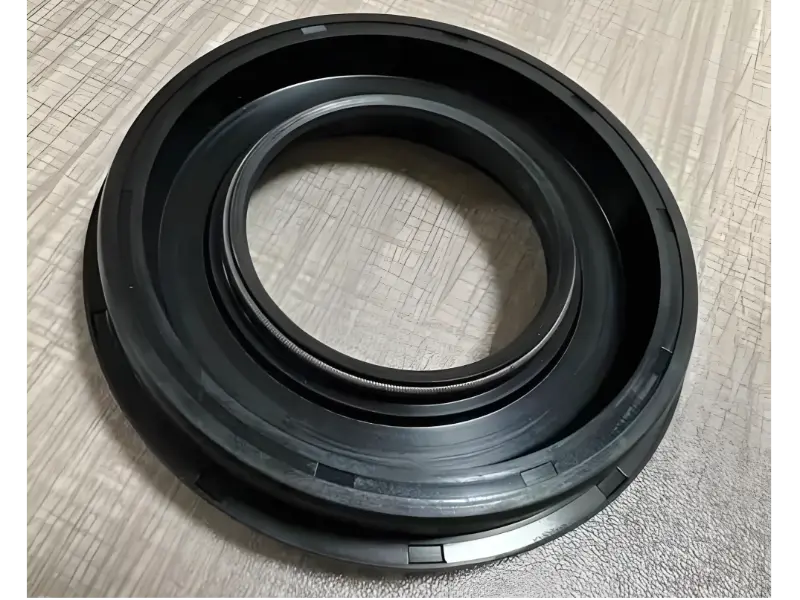
3.Oil Seal Problems: Seals and O-rings can leak if installed incorrectly, if the seal isn't centered, or if the rubber gets old and loses its flexibility.
How can you stop oil leaks?
1.Maintain Seals: Take care when handling pipe joint seals. Grind cone seals to fit well. Make sure nuts are tightened and replace worn oil seals right away to keep everything sealed tight.
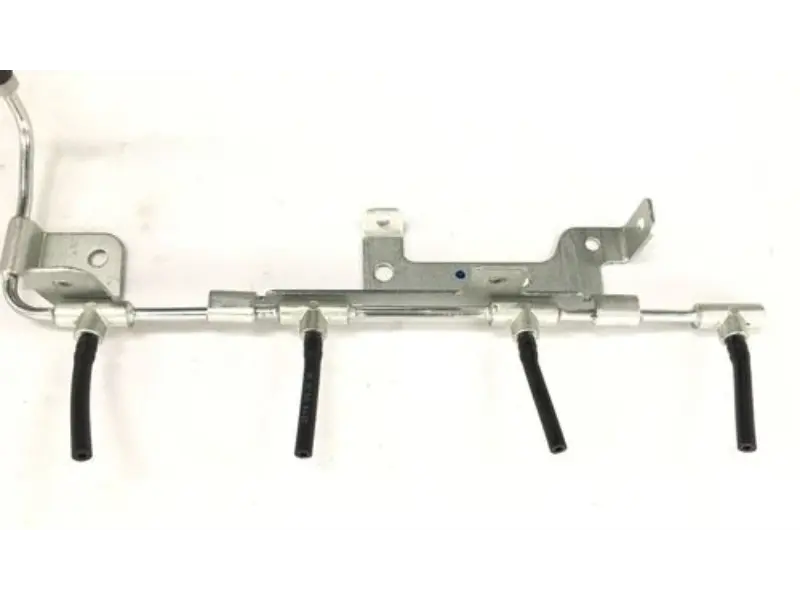
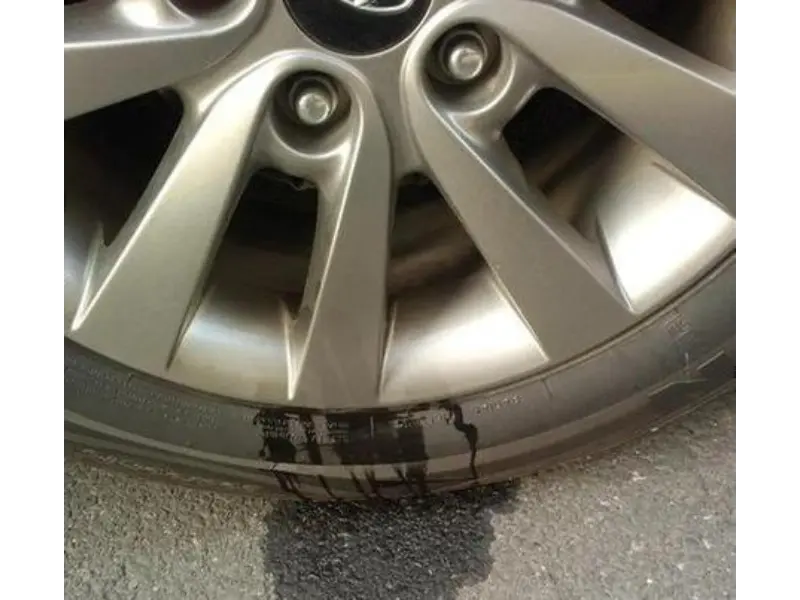
2.Control Hub Oil: Too much grease in the wheel hub, bad seals, overheating from braking, and loose axle nuts can all cause oil to leak from the hub. The cavity smoothing method can help clear out pores.
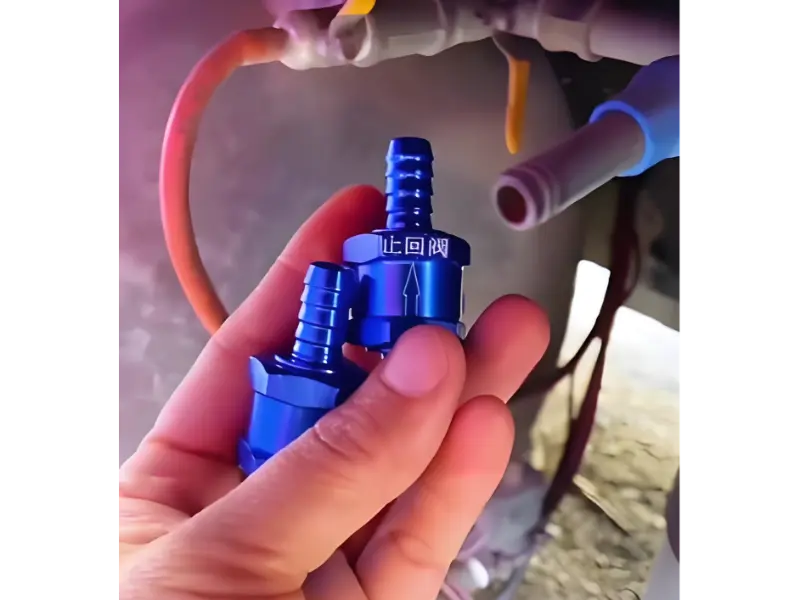
3.Check Valves: If the one-way valve or ventilation valve gets clogged, pressure builds up inside the tank. This uses more oil and shortens the time between oil changes. A blocked engine ventilation system makes the piston work harder, burning more fuel. Pressure differences can cause leaks at weak spots. So, check and clean the system regularly.
Also, if you see sludge on the engine and can't find the source, try using a thicker oil. It seals better and can help with the sludge.
Send Inquiry
Online
 Sales Manager
 email
email
X
We use cookies to offer you a better browsing experience, analyze site traffic and personalize content. By using this site, you agree to our use of cookies.
Privacy Policy