
How Does a Turbocharger Work?
Many heavy-duty truck engines use turbochargers these days. But how do they work, and how do they boost engine power and efficiency? Let's take a look.
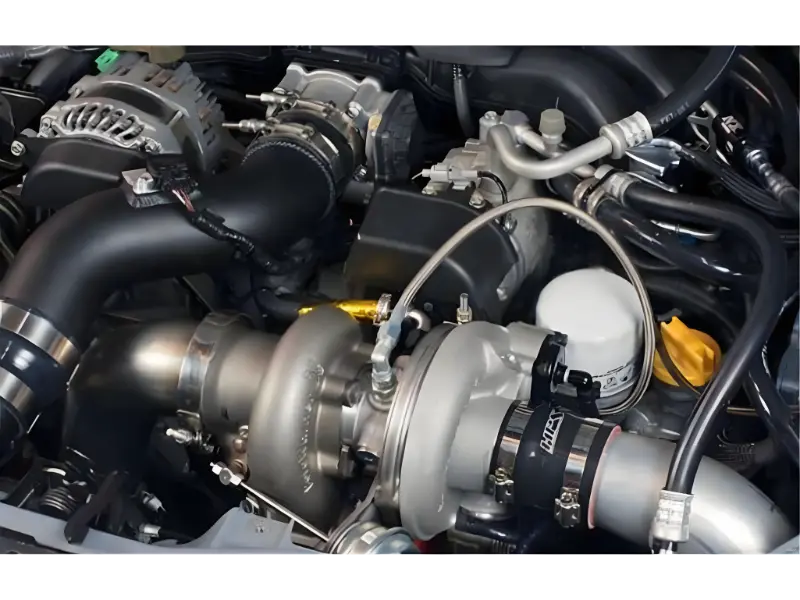
Why Use a Turbocharger? What are the Perks?
1. More Power, Better MPG:
Adding a turbocharger is a key way to achieve enhanced performance from an engine. In simple terms, it increases the amount of air going into the engine. This means more power and torque, which makes the truck stronger.
For example, if an engine's air-fuel ratio is usually 1:3, a turbocharger can push that up to 2:3. By injecting more fuel, the energy from each piston stroke increases, boosting overall power.
2. Torque Comes on Sooner and Lasts Longer:
For big diesel engines, it's not just about power; it's about efficiency. Turbochargers help the engine reach its peak torque at lower RPMs, and keep that torque available over a wider range.
3. Better with Direct Injection: Cleaner and More Efficient:
Engines with turbochargers often use direct fuel injection. This makes the fuel spray finer and burn thoroughly, which cuts down on emissions.
Why Force Air into the Engine?
If you know how engines work, you'll know they need air (oxygen) to burn fuel. Regular engines suck air in as the pistons move, but this limits the amount of air that enters. This limits power and torque.
One way to get more power used to be to make the engine bigger. A bigger engine sucks in more air, burns more fuel, and makes more power.
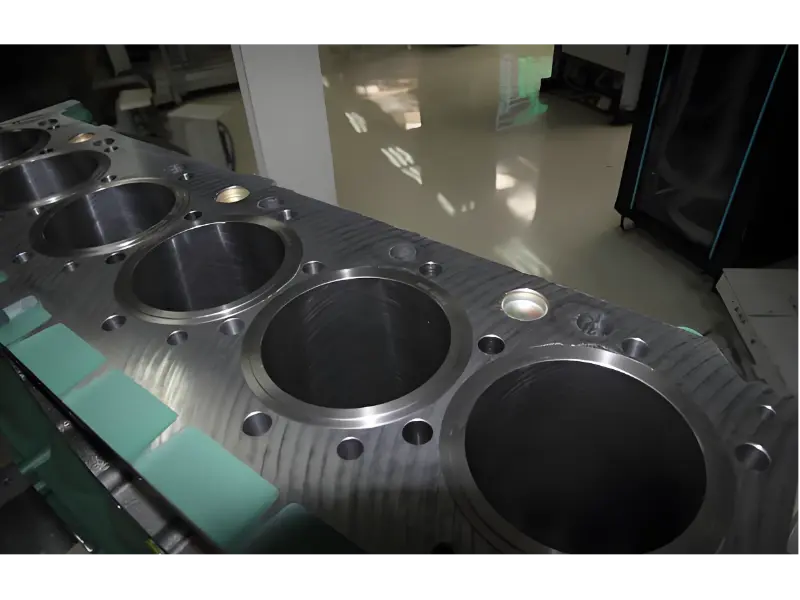
But just increasing engine size isn't always the best idea.
Bigger engines have bigger parts and more cylinders.
This makes the engine bigger, heavier, and harder to fit in the truck.
If we can force more an increased air charge into the engine, we can inject more fuel and get a big power boost.
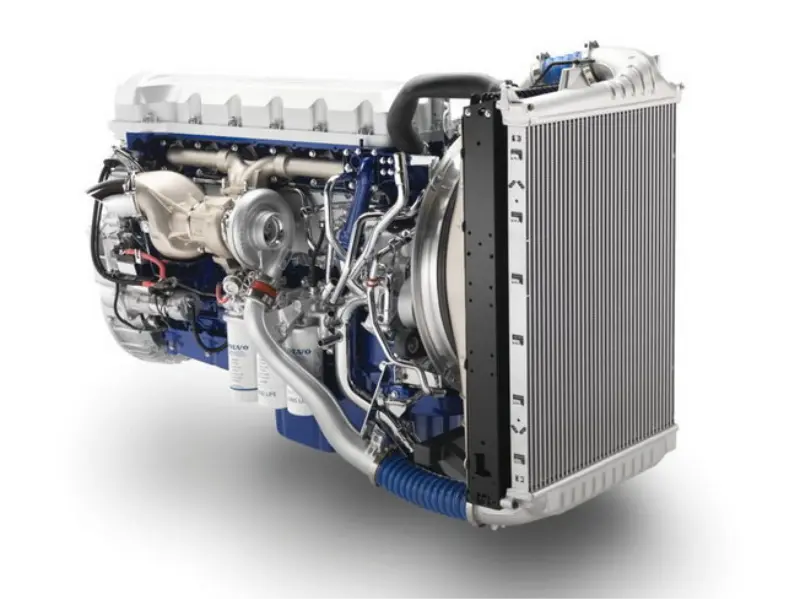
Inducting air into the engine in turn provides a means to get more power.
How Does the Turbocharger Work?
There are mainly two types of these, but l'll mainly be talking about the exhaust kind.
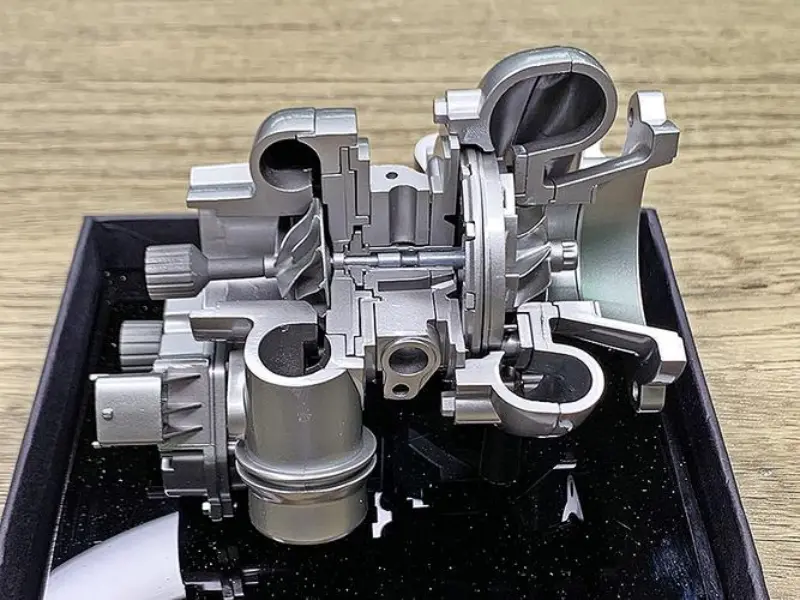
Turbochargers use exhaust gases to spin the turbine. This turbine spins another fan (the compressor) that pushes more air into the engine.
The basic idea:
1、Exhaust gas coming from the engine spins the turbine.
2、The turbine drives the air fan.
3、The fan crams extra air into the engine.
4、The compressed air mixes with fuel, creating a bigger boom for each cycle!
Where Did Turbocharging Come From?
A Swiss engineer, Alfred Büchi, came up with the first turbocharger and patented it in 1905.
During World War I, turbochargers were used in fighter planes. They helped the engines work better at high altitudes, where there's less air.
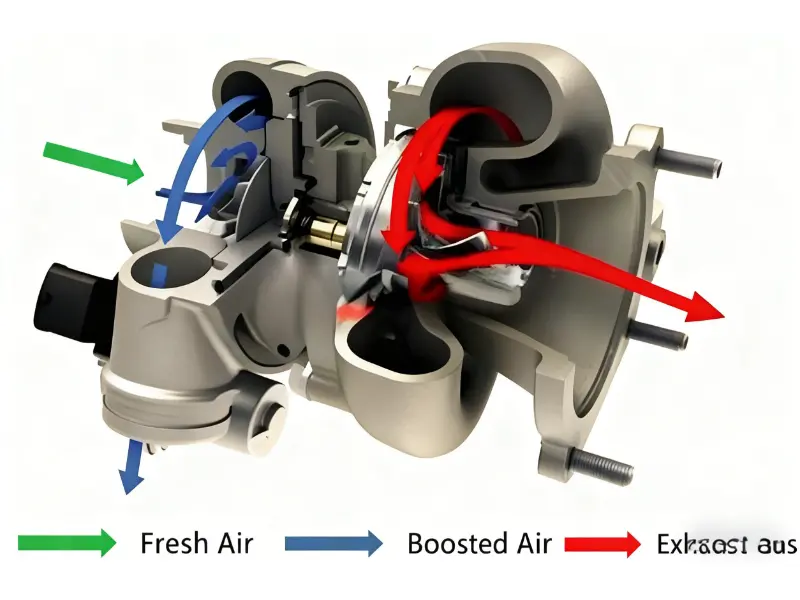
How Turbochargers Work:
A turbocharger has two main parts: the turbine and the compressor. Each has a fan blade, (we'll call them Fan 1 and Fan 2):
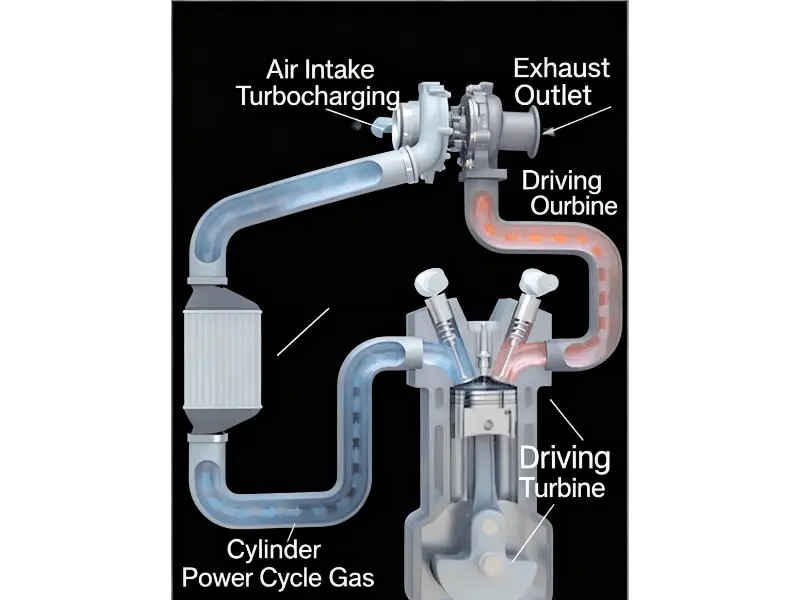
1. Hot exhaust from your engine spins Fan 2 (the exhaust side).
2. Fan 2 spins Fan 1 (the intake side).
3. Fan 1 forces the air from the intake manifold into the engine cylinders.
4. More air in the cylinders facilitates more combustion.
Taking Care of Your Turbocharger
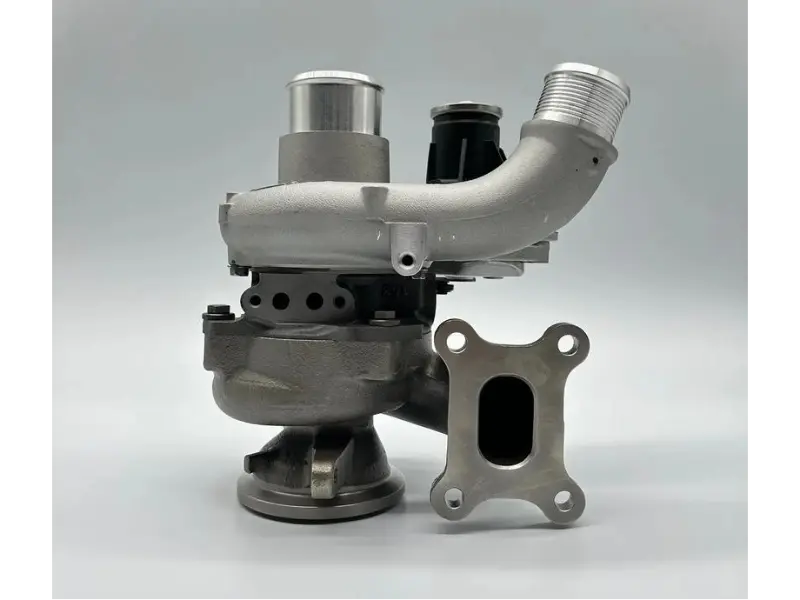
Usually, turbochargers don't need much work. But they're sensitive, so poor maintenance can hurt them. Here are some things to consider:
Wear and Tear
1. Bad Oil: Cheap oil or filters can cause problems. Low oil pressure or dirty oil can damage the turbo's bearings.
2. Foreign Objects:Dirty air filters let dirt into the turbo, which can damage the fan blades.
Heat Problems
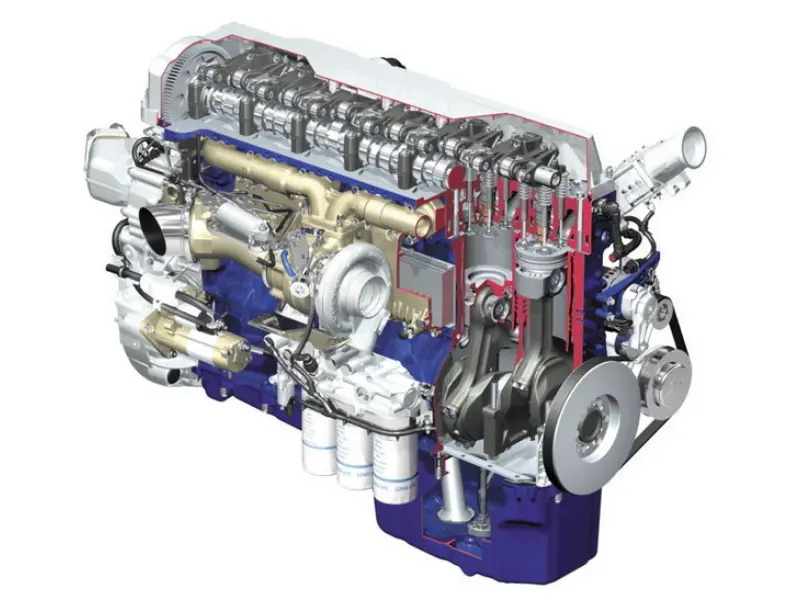
Turbos spin really fast and get super hot. Oil cools and lubricates the part, so:
After driving hard, don't just shut off the engine. Keep it idling for 3-5 minutes to cool the turbo down. This prevents the oil from cooking and damaging the bearings.
Now that you know how turbochargers work, you can see why they're useful. For best engine operation, You may need an intercooler. This device cools the compressed air from the turbo, making the engine run even better.
Send Inquiry
Online
 Sales Manager
 email
email
X
We use cookies to offer you a better browsing experience, analyze site traffic and personalize content. By using this site, you agree to our use of cookies.
Privacy Policy