
How to Choose and Maintain a Heavy Truck Gearbox?
Summary: This comprehensive guide explores heavy truck gearboxes, providing detailed specifications, operational principles, common issues, and maintenance strategies. The article aims to answer frequently asked questions while helping fleet operators, mechanics, and logistics professionals optimize gearbox performance and longevity.
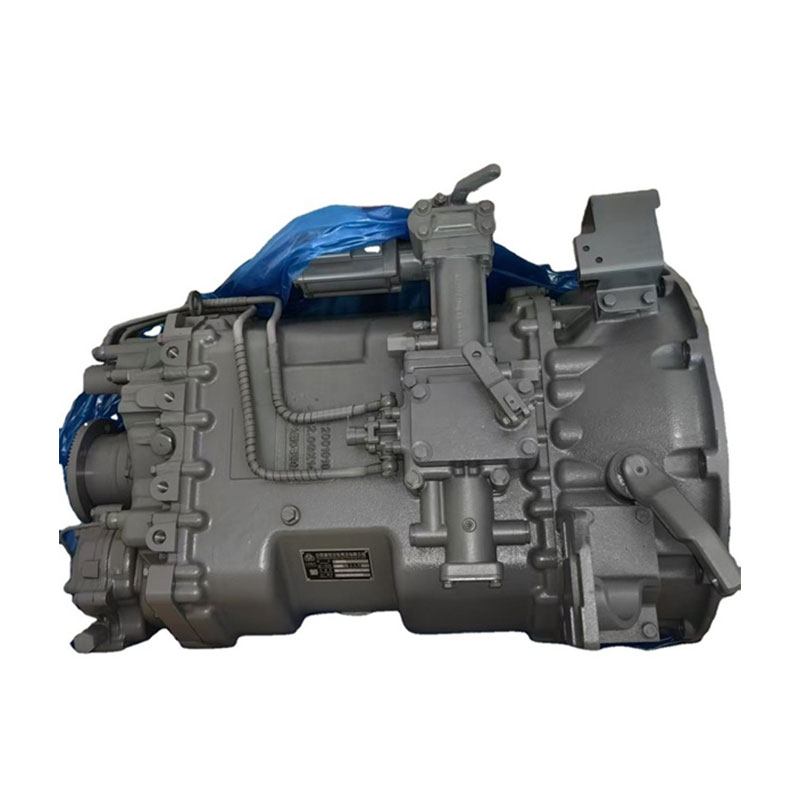
Table of Contents
1. Introduction to Heavy Truck Gearbox 2. Heavy Truck Gearbox Specifications 3. Common Questions About Heavy Truck Gearboxes 4. Maintenance and Operational Tips 5. Conclusion and Contact1. Introduction to Heavy Truck Gearbox
The heavy truck gearbox is a critical component in the drivetrain, responsible for transmitting engine power to the wheels efficiently and enabling various driving conditions. These gearboxes must withstand high torque, variable loads, and long operational cycles, making their selection and maintenance crucial for fleet performance. This article provides a professional guide to understanding the key parameters, common issues, and best practices for heavy truck gearbox usage.
2. Heavy Truck Gearbox Specifications
Heavy truck gearboxes vary in design, gear ratio, and performance ratings. The following table presents common specifications to guide proper selection and ensure compatibility with specific truck models:
| Specification | Typical Value / Range |
|---|---|
| Type | Manual / Automated / Semi-Automatic |
| Number of Gears | 8 to 18 speeds |
| Torque Capacity | 1,500 Nm – 4,500 Nm |
| Input Speed | 1,200 – 2,500 RPM |
| Weight | 180 kg – 450 kg |
| Oil Type | High-performance synthetic gear oil, API GL-4/GL-5 |
| Service Interval | 100,000 km – 150,000 km (dependent on operating conditions) |
Understanding these specifications is essential for optimizing truck performance and minimizing wear and tear. Proper gearbox selection aligns with engine output, load requirements, and driving environments.
3. Common Questions About Heavy Truck Gearboxes
Q1: How to identify if a heavy truck gearbox is failing?
A1: Signs of gearbox failure include unusual noises during shifting, difficulty in engaging gears, excessive vibration, and leaking oil. Regular inspection of gear teeth, synchronizers, and bearings can help detect early wear and prevent major breakdowns.
Q2: How often should a heavy truck gearbox be serviced?
A2: The service interval depends on the type of gearbox and operating conditions, typically every 100,000 km to 150,000 km. Key maintenance tasks include checking oil levels, replacing worn seals, inspecting gears for damage, and ensuring proper lubrication of all moving components.
Q3: How to choose the right gearbox for a heavy truck?
A3: The selection should be based on engine torque, truck load capacity, terrain, and operational requirements. Manual gearboxes are durable and cost-effective, while automated gearboxes provide better fuel efficiency and ease of operation in heavy-duty logistics.
4. Maintenance and Operational Tips
Proper maintenance of a heavy truck gearbox extends service life and improves performance. Key operational strategies include:
- Regular oil replacement using high-quality gear lubricants that meet manufacturer specifications.
- Inspecting the gearbox for leaks, cracks, and abnormal noises on a routine basis.
- Ensuring smooth gear shifting by checking synchronizers and clutch operation.
- Keeping the gearbox clean from debris, dust, and moisture, which can accelerate wear.
- Following manufacturer torque specifications when installing or adjusting components.
Additionally, understanding the relationship between engine power and gearbox load is crucial. Avoid overloading the gearbox, as excessive torque can cause premature gear tooth damage and bearing failure.
5. Conclusion and Contact
Heavy truck gearboxes are integral to the efficiency and reliability of commercial vehicles. Selecting the right gearbox based on specifications, maintaining regular service intervals, and understanding common operational challenges are essential for minimizing downtime and maximizing performance. Shengkunda specializes in high-quality heavy truck gearboxes, designed to meet rigorous operational standards and ensure long-term durability.
For inquiries, detailed specifications, or to discuss a tailored solution for your fleet, contact us today.
Send Inquiry
Online
 Sales Manager
 email
email
X
We use cookies to offer you a better browsing experience, analyze site traffic and personalize content. By using this site, you agree to our use of cookies.
Privacy Policy