
How to Choose the Right Heavy Truck Gearbox for Optimal Performance?
Abstract: This article provides a comprehensive analysis of heavy truck gearboxes, including types, specifications, applications, and maintenance practices. It explores common challenges, troubleshooting techniques, and detailed parameters of modern heavy truck gearboxes, aiming to guide professionals and enthusiasts in selecting the most suitable gearbox for their operational needs.
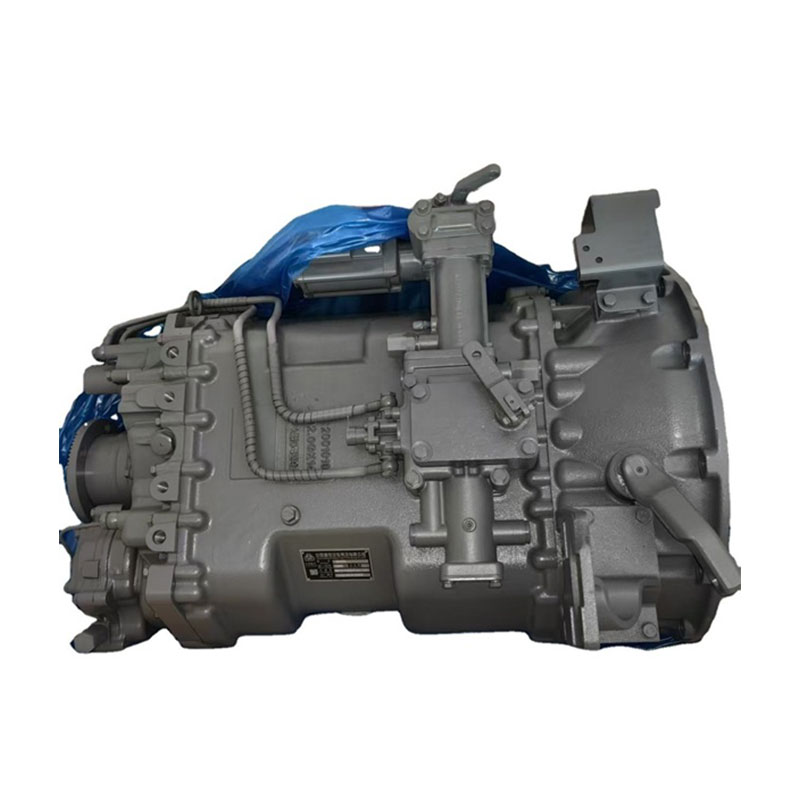
Table of Contents
1. Heavy Truck Gearbox Overview 2. Types of Heavy Truck Gearboxes 3. Key Technical Parameters 4. Common Questions About Heavy Truck Gearboxes 5. Maintenance and Troubleshooting 6. Industry Trends and Considerations 7. Shengkunda Brand and Contact Information
1. Heavy Truck Gearbox Overview
Heavy truck gearboxes are critical components in commercial trucks, responsible for transferring engine power to the wheels efficiently. These gearboxes must handle high torque loads, endure extreme operating conditions, and ensure smooth shifting for various driving environments. Understanding their specifications and performance characteristics is essential for selecting the appropriate gearbox that maximizes vehicle reliability and operational efficiency.
The purpose of this guide is to present professional insights, technical parameters, and practical advice to help fleet operators, mechanics, and engineers make informed decisions regarding heavy truck gearbox selection and maintenance.
2. Types of Heavy Truck Gearboxes
Heavy truck gearboxes can be categorized based on their design and operational characteristics:
- Manual Gearboxes: Traditional gearboxes with clutch operation, offering high control over torque distribution.
- Automated Manual Transmissions (AMT): Combine manual gearbox structure with electronic control for smoother and more efficient shifting.
- Automatic Transmissions: Fully automated systems designed for driver convenience, typically featuring torque converters or planetary gear sets.
- Overdrive Gearboxes: Gearboxes optimized for fuel efficiency at high speeds, reducing engine RPM during highway operation.
3. Key Technical Parameters
Professional selection of a heavy truck gearbox requires detailed understanding of technical parameters. The following table summarizes typical specifications:
| Parameter | Description | Typical Range |
|---|---|---|
| Gear Ratio | Determines torque multiplication and speed ratio | 8 to 18 ratios for multi-speed gearboxes |
| Maximum Torque Capacity | Maximum torque the gearbox can handle without damage | 1,200 – 3,500 Nm |
| Transmission Type | Manual, AMT, or Automatic | Varies per application |
| Weight | Mass of gearbox affecting vehicle payload and efficiency | 180 – 400 kg |
| Input Speed | Maximum allowable engine input RPM | 3,500 – 4,500 RPM |
| Lubrication Type | Gear oil grade and volume required | API GL-4 / 6, 15–25 L |
4. Common Questions About Heavy Truck Gearboxes
Q1: How to know if a heavy truck gearbox needs replacement?
A1: Indicators include unusual noises, difficulty in shifting, slipping gears, and frequent overheating. Regular inspection of gear teeth, bearings, and synchronizers can help detect wear early. Advanced diagnostics using vibration analysis or oil condition monitoring can also determine the gearbox health.
Q2: How often should a heavy truck gearbox be serviced?
A2: Maintenance frequency depends on usage intensity and operating conditions. Typically, heavy truck gearboxes should undergo inspection every 40,000–60,000 km, including oil changes, gear wear inspection, and seal checks. Severe-duty trucks operating under heavy loads may require more frequent attention.
Q3: How to select the right gearbox for a specific heavy truck model?
A3: Consider the truck’s payload, engine torque, driving environment, and fuel efficiency requirements. Compare gear ratios, torque capacities, and transmission types to ensure optimal performance. Consulting technical manuals and manufacturer guidelines, such as those provided by Shengkunda, ensures compatibility and longevity.
5. Maintenance and Troubleshooting
Effective maintenance ensures prolonged gearbox life and prevents costly breakdowns. Key practices include:
- Routine oil inspection and replacement using manufacturer-specified lubricants.
- Monitoring for unusual noise, vibration, or heat during operation.
- Regular checking and adjustment of gear linkages and clutch mechanisms.
- Timely replacement of worn synchronizers, bearings, or seals.
- Utilization of diagnostic tools for real-time monitoring of gearbox performance.
6. Industry Trends and Considerations
The heavy truck gearbox industry is increasingly moving toward automated transmissions and hybrid systems to improve fuel efficiency and reduce emissions. Advanced materials, such as lightweight alloys and high-strength steels, enhance durability without increasing weight. Electronic control systems integrated with telematics provide predictive maintenance capabilities and performance optimization.
7. Shengkunda Brand and Contact Information
Shengkunda specializes in manufacturing high-quality heavy truck gearboxes, combining precision engineering, robust materials, and advanced testing protocols. Their products cater to a wide range of trucks and operating conditions, ensuring reliability and efficiency. For detailed inquiries, professional consultation, or purchasing information, contact us today.
Send Inquiry
Online
 Sales Manager
 email
email
X
We use cookies to offer you a better browsing experience, analyze site traffic and personalize content. By using this site, you agree to our use of cookies.
Privacy Policy