
How to Maximize Mini Loader Efficiency in Various Work Environments?
Article Summary
This article provides a comprehensive guide to Mini Loader operation, including detailed specifications, operational scenarios, and answers to frequently asked questions. Designed for construction professionals and equipment enthusiasts, the article focuses on practical guidance for maximizing the efficiency and lifespan of Mini Loaders in different work environments.
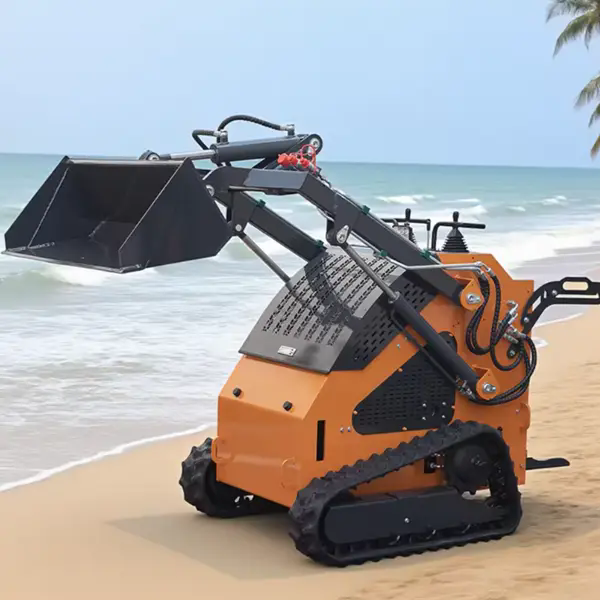
Table of Contents
1. Introduction to Mini Loader 2. Mini Loader Specifications 3. Operational Tips for Maximum Efficiency 4. Mini Loader Frequently Asked Questions 5. Conclusion and Contact Information1. Introduction to Mini Loader
Mini Loaders are compact, versatile construction machines designed to handle tasks that require agility and precision in confined spaces. Their adaptability makes them suitable for various applications, from landscaping and small-scale construction to agricultural operations and municipal maintenance.
The purpose of this article is to explore practical methods to optimize the usage of Mini Loaders, examine key operational considerations, and provide detailed answers to common questions to assist operators in maximizing productivity and minimizing downtime.
2. Mini Loader Specifications
Modern Mini Loaders are engineered for efficiency, safety, and ease of operation. The following table presents key specifications of a representative Mini Loader model:
| Specification | Detail |
|---|---|
| Engine Power | 50 HP Diesel Engine |
| Operating Weight | 2,500 kg |
| Bucket Capacity | 0.5 m³ |
| Max Load Capacity | 1,200 kg |
| Hydraulic Flow Rate | 60 L/min |
| Travel Speed | 0–12 km/h |
| Lift Height | 2.8 m |
| Dimensions (L×W×H) | 3.2m × 1.5m × 2.1m |
| Operating Platform | Fully enclosed ROPS/FOPS cabin |
3. Operational Tips for Maximum Efficiency
How to Select the Right Attachment for Mini Loader Tasks?
Choosing the appropriate attachment, such as buckets, forks, or augers, ensures that the Mini Loader operates efficiently and safely. Assess task requirements, soil conditions, and load specifications to determine the optimal attachment. Proper selection reduces wear and enhances productivity.
How to Maintain Hydraulic System for Long-Term Performance?
Regular inspection of hydraulic hoses, connectors, and fluid levels is critical. Replace worn or damaged hoses promptly and ensure the hydraulic fluid is within the recommended range. Periodic flushing and filter replacement prevent system contamination, ensuring consistent lifting and operational efficiency.
How to Operate Mini Loader in Confined or Uneven Terrains?
Operators should use low-speed settings when maneuvering in restricted spaces. Ensure the ground is stable, and utilize the loader’s articulated steering for better control. Proper tire selection and pressure adjustment enhance stability and prevent tipping, particularly on uneven terrain.
4. Mini Loader Frequently Asked Questions
Q1: What is the typical lifespan of a Mini Loader?
A1: The lifespan of a Mini Loader largely depends on maintenance and operating conditions. With regular servicing, including engine oil changes, hydraulic maintenance, and timely replacement of wear parts, a Mini Loader can typically operate efficiently for 8–12 years in professional construction environments.
Q2: Can Mini Loaders operate in extreme weather conditions?
A2: Yes, Mini Loaders are designed to function in varied climates. However, cold weather requires pre-heating of the engine and hydraulic system, while extremely hot conditions necessitate monitoring coolant levels and avoiding overloading to prevent overheating. Protective attachments such as snow buckets or sand spreaders can enhance performance in adverse weather.
Q3: How does Mini Loader fuel efficiency compare with standard loaders?
A3: Mini Loaders generally consume less fuel due to their compact engines and lighter weight. Operational efficiency can be maximized by avoiding unnecessary idling, maintaining proper tire pressure, and using attachments suited for the task. Optimized route planning on job sites also significantly reduces fuel consumption.
Q4: Are Mini Loaders suitable for agricultural use?
A4: Absolutely. Mini Loaders are ideal for farm tasks such as material transport, soil handling, and light excavation. Their compact size allows access to narrow pathways and fields while attachments like bale spears, forks, and augers expand their utility for agricultural applications.
Q5: What are the key safety practices when using a Mini Loader?
A5: Operators must always wear seatbelts, maintain visibility around the working area, avoid overloading the bucket, and follow recommended speed limits. Conducting pre-operation checks and adhering to manufacturer guidelines is essential to prevent accidents and extend the equipment’s operational life.
5. Conclusion and Contact Information
Mini Loaders represent a critical investment for construction, landscaping, and agricultural operations due to their versatility, efficiency, and compact design. Implementing proper operational practices, choosing suitable attachments, and performing regular maintenance ensures maximum productivity and durability of the equipment.
Shengkundada Import and Export Trading Co., Ltd. provides a wide range of high-quality Mini Loader models suitable for diverse industrial applications. For more detailed inquiries or customized solutions, please contact us directly to discuss your project requirements and operational needs.
Send Inquiry
Online
 Sales Manager
 email
email
X
We use cookies to offer you a better browsing experience, analyze site traffic and personalize content. By using this site, you agree to our use of cookies.
Privacy Policy