
How Does a Tension Wheel Improve Mechanical System Stability?
Abstract
A tension wheel plays a critical role in maintaining stability, efficiency, and service life in a wide range of mechanical and industrial systems. From automotive drivetrains to conveyor assemblies and industrial transmission equipment, improper tension control often leads to belt slippage, abnormal wear, excessive noise, and unexpected downtime. This article provides a comprehensive overview of how a tension wheel works, why it matters, and how to select the right solution for different applications. By understanding structure, materials, performance factors, and real-world use cases, buyers and engineers can address common operational pain points and achieve more reliable system performance.
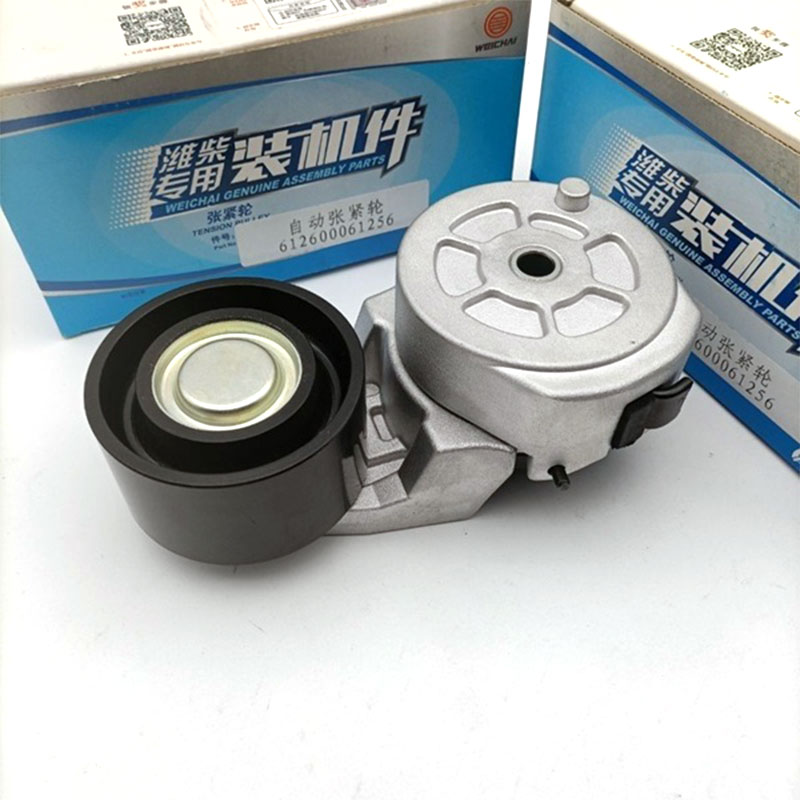
Table of Contents
- What Is a Tension Wheel?
- Common Customer Challenges
- Working Principle and Function
- Typical Applications
- Main Types of Tension Wheels
- Materials and Structural Design
- How to Choose the Right Tension Wheel
- Maintenance and Service Life
- Performance Comparison Table
- Frequently Asked Questions
- Conclusion and Supplier Support
What Is a Tension Wheel?
A tension wheel is a mechanical component designed to regulate and maintain consistent tension in belt-driven or chain-driven systems. It compensates for belt elongation, load variation, and vibration, ensuring stable power transmission between rotating components. In automotive and industrial environments, tension wheels are essential for preventing belt derailment, minimizing friction loss, and protecting connected parts such as bearings, shafts, and pulleys.
Common Customer Challenges
- Frequent belt slippage under variable loads
- Excessive noise caused by unstable belt tension
- Premature wear of belts and pulleys
- Unexpected downtime due to tension failure
- Difficulty in matching tension wheels to specific systems
These challenges often stem from incorrect tension wheel selection, inferior materials, or insufficient understanding of operating conditions.
Working Principle and Function
The tension wheel applies controlled pressure to a belt or chain through a spring-loaded or fixed mechanism. By maintaining optimal contact force, it stabilizes the transmission path and absorbs shock loads during operation. This dynamic balance allows the system to adapt to thermal expansion, speed changes, and load fluctuations without compromising performance.
Typical Applications
- Automotive engines and auxiliary drive systems
- Heavy-duty trucks and commercial vehicles
- Industrial conveyor systems
- Agricultural machinery
- Manufacturing and packaging equipment
Each application demands specific load capacity, temperature resistance, and durability characteristics from the tension wheel.
Main Types of Tension Wheels
- Automatic Tension Wheels: Self-adjusting designs that respond to belt elongation in real time.
- Manual Tension Wheels: Fixed or adjustable units requiring manual calibration.
- Smooth Surface Wheels: Designed for flat belts and low-noise operation.
- Grooved or Toothed Wheels: Optimized for V-belts and timing belts.
Materials and Structural Design
Material selection directly impacts durability and performance. High-quality tension wheels typically use:
- Carbon steel or alloy steel for structural strength
- Engineering plastics for lightweight and corrosion resistance
- Precision bearings for smooth rotation and reduced friction
Advanced surface treatments and sealing designs further enhance wear resistance and operational stability in harsh environments.
How to Choose the Right Tension Wheel
Selecting the correct tension wheel requires evaluating multiple factors:
- Operating load and torque requirements
- Belt or chain type and dimensions
- Operating temperature and environment
- Required service life and maintenance interval
- Compatibility with existing system geometry
A mismatch in any of these areas can compromise system efficiency and increase long-term costs.
Maintenance and Service Life
Proper maintenance significantly extends the life of a tension wheel. Regular inspection for bearing noise, surface wear, and alignment issues helps prevent secondary damage. In high-duty applications, scheduled replacement is recommended to avoid sudden failures that could affect the entire transmission system.
Performance Comparison Table
| Type | Adjustment Method | Durability | Typical Application |
|---|---|---|---|
| Automatic Tension Wheel | Self-adjusting spring | High | Automotive and heavy-duty systems |
| Manual Tension Wheel | Manual calibration | Medium | Industrial machinery |
| Smooth Surface Wheel | Fixed pressure | Medium | Low-noise belt drives |
| Grooved Wheel | Fixed or adjustable | High | Timing and V-belt systems |
Frequently Asked Questions
Q1: How does a tension wheel reduce belt wear?
By maintaining consistent tension, the wheel prevents slippage and uneven contact, which are primary causes of premature belt degradation.
Q2: When should a tension wheel be replaced?
Replacement is recommended when abnormal noise, bearing resistance, or visible wear appears, or according to scheduled maintenance intervals.
Q3: Can one tension wheel fit multiple systems?
While some designs are versatile, optimal performance is achieved when the wheel is matched to specific load, size, and application requirements.
Conclusion and Supplier Support
A properly selected tension wheel is essential for stable, efficient, and long-lasting mechanical systems. Understanding its function, structure, and application-specific requirements helps reduce downtime and operating costs. Shengkunda provides reliable tension wheel solutions engineered for demanding automotive and industrial environments. For tailored product recommendations, technical support, or bulk purchasing inquiries, contact us today and explore how the right tension wheel can enhance your system performance.
Send Inquiry
Online
 Sales Manager
 email
email
X
We use cookies to offer you a better browsing experience, analyze site traffic and personalize content. By using this site, you agree to our use of cookies.
Privacy Policy