
How Does a Truck Filter Improve Engine Reliability?
Article Summary
A truck filter plays a critical role in protecting engines, improving fuel efficiency, and extending vehicle service life. However, many fleet operators and truck owners face issues such as premature engine wear, rising maintenance costs, and unexpected downtime due to incorrect filter selection or poor maintenance practices. This article provides a structured and practical explanation of how truck filters work, why they matter, and how to choose the right solution for different operating conditions. It also highlights common pain points and offers actionable guidance to support informed purchasing and maintenance decisions.
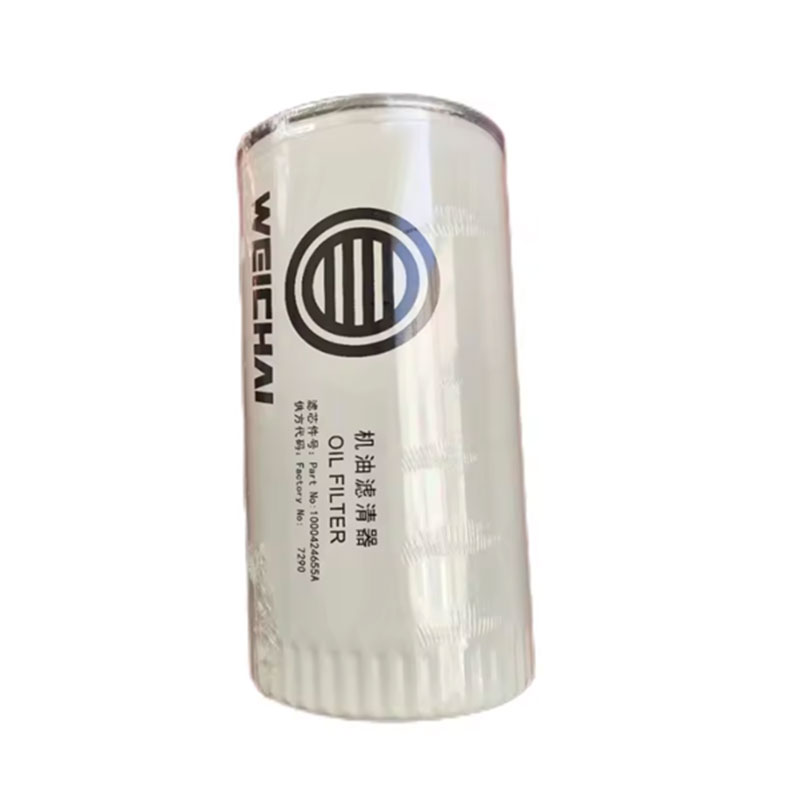
Table of Contents
- Understanding the Role of a Truck Filter
- Common Problems Caused by Inadequate Filtration
- Main Types of Truck Filters and Their Functions
- How to Select the Right Truck Filter
- Performance Comparison of Truck Filter Types
- Maintenance and Replacement Best Practices
- Why Professional Manufacturing Matters
- Frequently Asked Questions
- Conclusion and Contact Us
Understanding the Role of a Truck Filter
A truck filter is designed to remove contaminants from air, fuel, oil, or hydraulic systems before they can reach critical engine components. Heavy-duty trucks often operate in harsh environments, including dusty roads, long-haul highways, construction sites, and industrial zones. Without proper filtration, microscopic particles such as dust, metal shavings, soot, and water can enter the system and cause accelerated wear.
By maintaining clean internal systems, a truck filter supports stable combustion, consistent lubrication, and reliable engine output. Over time, this directly translates into reduced maintenance frequency and improved vehicle uptime.
Common Problems Caused by Inadequate Filtration
Many truck owners underestimate the long-term impact of low-quality or mismatched filters. The following issues are frequently reported in commercial fleets:
- Reduced engine efficiency due to restricted airflow or fuel flow
- Increased fuel consumption caused by incomplete combustion
- Premature wear of pistons, injectors, and bearings
- Frequent oil contamination leading to shortened oil change intervals
- Unexpected breakdowns resulting in costly downtime
These challenges often stem from using filters that do not match the operating environment or service requirements of the truck.
Main Types of Truck Filters and Their Functions
A complete filtration system typically includes several filter categories, each serving a distinct purpose:
- Air Filters – Prevent dust and debris from entering the engine intake system.
- Fuel Filters – Remove water and impurities from diesel or gasoline before combustion.
- Oil Filters – Capture metal particles and carbon residues from engine oil.
- Hydraulic Filters – Protect hydraulic components in lifting or braking systems.
Selecting the correct type and specification ensures that each system operates within its intended performance range.
How to Select the Right Truck Filter
Choosing a suitable truck filter requires more than matching part numbers. Several practical factors should be evaluated:
- Operating environment, such as dusty, humid, or high-temperature conditions
- Vehicle usage patterns, including long-haul or stop-and-go operations
- Manufacturer material standards and filtration efficiency ratings
- Compatibility with engine and system design requirements
Working with experienced manufacturers like Shengkunda allows buyers to access filters engineered for durability, stable performance, and consistent quality control.
Performance Comparison of Truck Filter Types
| Filter Type | Primary Function | Key Benefit | Typical Replacement Interval |
|---|---|---|---|
| Air Filter | Block airborne contaminants | Improved combustion stability | 20,000–40,000 km |
| Fuel Filter | Remove water and particles | Protect injectors | 30,000–50,000 km |
| Oil Filter | Clean circulating oil | Extend engine life | 10,000–15,000 km |
| Hydraulic Filter | Protect hydraulic systems | Stable system pressure | Based on operating hours |
Maintenance and Replacement Best Practices
Even the highest-quality truck filter requires proper maintenance to deliver consistent performance. Best practices include:
- Following recommended replacement intervals
- Inspecting filters during routine vehicle servicing
- Avoiding overextended use beyond rated capacity
- Storing replacement filters in clean, dry environments
Preventive maintenance significantly reduces the risk of sudden failures and supports predictable operating costs.
Why Professional Manufacturing Matters
Filter performance is directly influenced by material selection, structural design, and production consistency. Professional manufacturers invest in controlled processes to ensure filtration accuracy and mechanical strength. Shengkunda focuses on delivering truck filters that meet demanding commercial requirements, supporting long service life and stable system protection.
Frequently Asked Questions
Q1: How often should a truck filter be replaced?
Replacement intervals depend on filter type, driving conditions, and engine specifications. Regular inspections help determine the optimal timing.
Q2: Can a low-cost filter affect engine performance?
Yes. Inadequate filtration efficiency can allow contaminants to enter the engine, leading to higher wear and reduced reliability.
Q3: Are truck filters universal across models?
No. Filters must match specific engine and system requirements to ensure proper fit and performance.
Conclusion and Contact Us
A well-selected truck filter is not just a replacement part; it is a long-term investment in engine reliability and operational efficiency. By understanding filtration functions, choosing the right specifications, and following proper maintenance practices, truck owners and fleet managers can significantly reduce downtime and operating costs.
To explore reliable truck filter solutions engineered for demanding applications, contact us today and discover how Shengkunda can support your truck maintenance and performance goals.
Send Inquiry
Online
 Sales Manager
 email
email
X
We use cookies to offer you a better browsing experience, analyze site traffic and personalize content. By using this site, you agree to our use of cookies.
Privacy Policy