
How Does a Tension Wheel Improve Mechanical Stability and Performance?
Article Summary
A tension wheel is a critical mechanical component used to regulate belt, chain, or cable tension in a wide range of industrial and automotive systems. Proper tension control directly affects equipment stability, transmission efficiency, noise levels, and component lifespan. This in-depth guide explains how a tension wheel works, the common operational challenges it solves, how to select the right design for specific applications, and how consistent quality can reduce downtime and maintenance costs. The article also outlines how Skyond delivers dependable tension wheel solutions for heavy-duty and commercial vehicle applications.
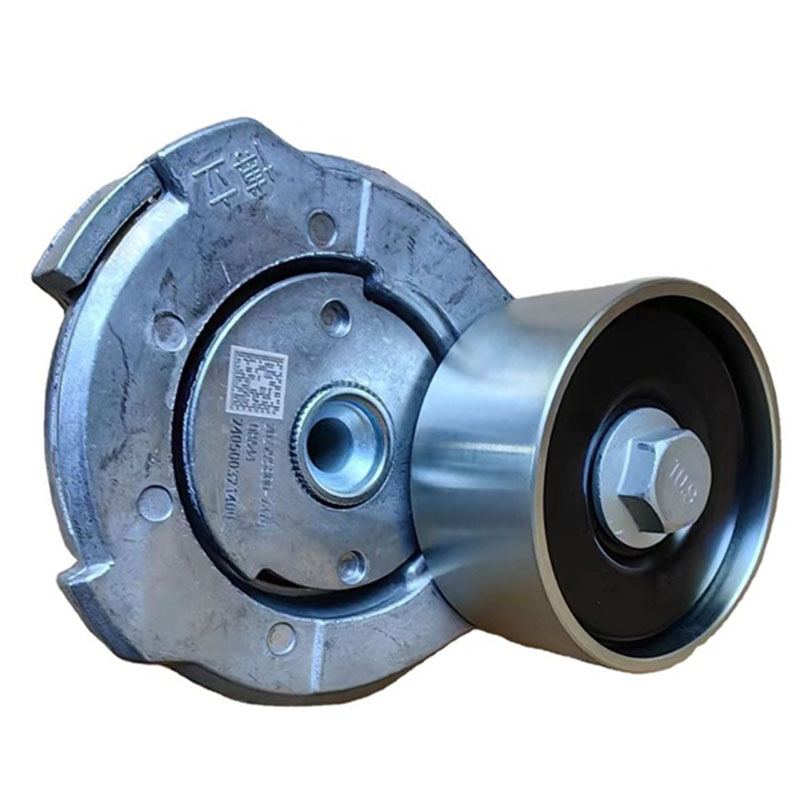
Table of Contents
- Content Outline
- Tension Wheel Overview
- Common Customer Pain Points
- How a Tension Wheel Works
- Main Types of Tension Wheels
- How to Choose the Right Tension Wheel
- Technical Comparison Table
- Maintenance and Service Life
- Typical Application Scenarios
- Frequently Asked Questions
- Conclusion and Contact Us
Content Outline
- Understanding the role of tension control in mechanical systems
- Identifying common failure risks caused by improper tension
- Exploring tension wheel structures and materials
- Selection guidance for different operating environments
- Long-term reliability and maintenance considerations
Tension Wheel Overview
A tension wheel, also known as a tensioner pulley or idler wheel, is designed to maintain consistent tension on belts, chains, or cables within a mechanical transmission system. By compensating for elongation, vibration, and thermal expansion, the tension wheel ensures smooth power transfer and prevents slippage.
In commercial vehicles, industrial machinery, and automated equipment, a properly engineered tension wheel reduces mechanical stress on adjacent components and stabilizes system operation. Skyond focuses on manufacturing tension wheels that meet demanding load, durability, and dimensional accuracy requirements.
Common Customer Pain Points
Improper or low-quality tension wheels often lead to repeated system failures. Understanding these pain points helps engineers and maintenance teams avoid costly downtime.
- Excessive belt or chain wear
- Abnormal noise and vibration
- Frequent belt slippage under load
- Bearing overheating or premature failure
- Increased maintenance frequency
Most of these issues originate from incorrect tension wheel selection, poor material quality, or inadequate bearing performance.
How a Tension Wheel Works
A tension wheel applies controlled force to a belt or chain to maintain optimal tension throughout operation. It may use a fixed position or a spring-loaded mechanism depending on system requirements.
- Compensates for belt elongation over time
- Absorbs vibration and dynamic load changes
- Maintains consistent contact between drive components
- Improves transmission efficiency and stability
Precision alignment and bearing quality are essential to ensure smooth rotation and long service life.
Main Types of Tension Wheels
Different operating conditions require different tension wheel designs. The most common types include:
- Fixed Tension Wheel – Simple structure, stable positioning
- Automatic Tension Wheel – Self-adjusting via spring mechanism
- Hydraulic Tension Wheel – Precise control for high-load systems
- Heavy-Duty Tension Wheel – Reinforced for commercial vehicles
Skyond offers a wide range of tension wheel configurations tailored to truck and industrial applications.
How to Choose the Right Tension Wheel
Selecting the correct tension wheel requires a systematic evaluation of operating parameters.
- Load capacity and torque requirements
- Operating temperature range
- Belt or chain type and width
- Mounting geometry and alignment
- Expected service life and maintenance intervals
An improperly matched tension wheel can compromise the entire transmission system, making professional selection guidance essential.
Technical Comparison Table
| Type | Adjustment Method | Load Capacity | Typical Use |
|---|---|---|---|
| Fixed | Manual | Medium | Standard drive systems |
| Automatic | Spring-loaded | Medium to high | Variable load systems |
| Hydraulic | Hydraulic pressure | High | Heavy-duty machinery |
| Heavy-Duty | Fixed or automatic | Very high | Commercial trucks |
Maintenance and Service Life
Regular inspection and proper installation significantly extend tension wheel service life. Key maintenance practices include:
- Checking bearing smoothness and noise
- Inspecting surface wear and alignment
- Monitoring belt tension consistency
- Replacing components at recommended intervals
High-quality materials and precision bearings, such as those used by Skyond, reduce maintenance demands and improve long-term reliability.
Typical Application Scenarios
Tension wheels are widely used across multiple industries and systems.
- Commercial truck engine systems
- Industrial conveyor systems
- Construction machinery
- Agricultural equipment
- Automated production lines
Frequently Asked Questions
What happens if a tension wheel fails?
Failure can cause belt slippage, noise, overheating, and potential damage to surrounding components.
How often should a tension wheel be replaced?
Replacement intervals depend on operating conditions, but regular inspection is recommended.
Can one tension wheel fit all systems?
No. Each system requires a tension wheel matched to its load and geometry.
Does material quality affect performance?
Yes. High-quality materials and bearings directly impact durability and stability.
Conclusion and Contact Us
A well-designed tension wheel is essential for maintaining mechanical stability, reducing wear, and improving overall system efficiency. By understanding tension control principles and selecting the right component, businesses can significantly reduce operational risk and maintenance costs.
Skyond is committed to supplying durable, precision-engineered tension wheel solutions for demanding commercial and industrial applications. If you are looking to enhance system reliability or require expert support in selecting the right tension wheel, contact us today to discuss your requirements and discover how Skyond can support your long-term success.
Send Inquiry
Online
 Sales Manager
 email
email
X
We use cookies to offer you a better browsing experience, analyze site traffic and personalize content. By using this site, you agree to our use of cookies.
Privacy Policy