
How Does a Mini Loader Improve Efficiency on Compact Job Sites?
Article Summary
A mini loader is a compact yet powerful piece of equipment designed to handle material handling, loading, landscaping, and light construction tasks in confined environments. This article provides a comprehensive explanation of how a mini loader works, what problems it solves for contractors and operators, and how to choose the right model for specific job requirements. It also covers performance factors, application scenarios, and long-term operational considerations. By understanding these aspects, buyers can make informed decisions that improve productivity, reduce labor intensity, and lower operating costs.
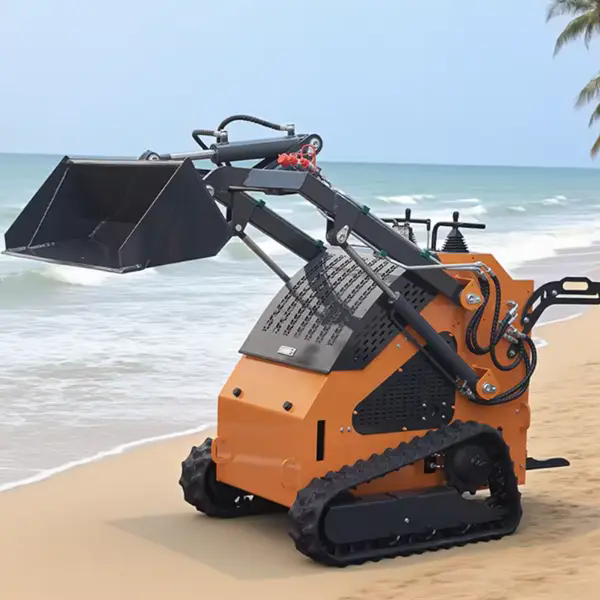
Table of Contents
- Mini Loader Overview
- Key Customer Pain Points
- Core Functions of a Mini Loader
- Operational Benefits
- How to Choose the Right Mini Loader
- Key Technical Parameters
- Mini Loader Application Comparison
- Maintenance and Reliability
- Frequently Asked Questions
- Conclusion and Contact Us
Mini Loader Overview
A mini loader is a compact construction machine designed to perform loading, lifting, transporting, and ground preparation tasks in areas where larger equipment cannot operate efficiently. Due to its small footprint, flexible maneuverability, and multi-attachment capability, a mini loader has become an essential tool in landscaping, agriculture, municipal maintenance, and small-scale construction projects.
Unlike traditional loaders, mini loaders are optimized for narrow access points, indoor environments, and residential job sites. Their design allows operators to complete tasks quickly while minimizing ground disturbance and operational risk. Shengkunda develops mini loader solutions that focus on balance, durability, and adaptability for real-world working conditions.
Key Customer Pain Points
Customers considering a mini loader often face several practical challenges that affect productivity and cost control. Identifying these issues helps clarify why the right equipment choice is critical.
- Limited access on narrow or enclosed job sites
- High labor costs for manual material handling
- Low efficiency when using oversized machinery
- Difficulty switching between different job functions
- Excessive ground damage in sensitive environments
- High maintenance costs and equipment downtime
A properly selected mini loader addresses these pain points by combining compact dimensions with sufficient power and operational flexibility.
Core Functions of a Mini Loader
A mini loader is designed to perform multiple tasks with a single base machine. Its versatility is one of its strongest advantages.
- Material loading and unloading
- Short-distance material transportation
- Soil leveling and backfilling
- Debris and waste removal
- Snow clearing and site cleaning
- Light excavation and trench preparation
With interchangeable attachments, one mini loader can replace several specialized tools, reducing equipment investment and storage requirements.
Operational Benefits
Using a mini loader delivers measurable advantages in daily operations, especially in compact or complex work environments.
- Improved productivity with fewer operators
- Reduced physical strain on workers
- Lower fuel consumption compared to larger machines
- Enhanced maneuverability in tight spaces
- Quick task switching through attachment compatibility
These benefits translate directly into lower operating costs and improved project timelines, making the mini loader a practical investment for contractors and service providers.
How to Choose the Right Mini Loader
Selecting the right mini loader requires evaluating both job requirements and machine specifications. A structured approach minimizes the risk of underperformance or unnecessary expense.
- Working environment size and access limitations
- Required lifting capacity and reach height
- Attachment compatibility and hydraulic output
- Power source and energy efficiency
- Operator comfort and control layout
- After-sales support and spare parts availability
Shengkunda assists customers in matching mini loader configurations to specific applications, ensuring optimal performance across different industries.
Key Technical Parameters
Understanding technical parameters helps buyers compare models objectively and select equipment that meets operational demands.
| Parameter | Description |
|---|---|
| Rated Load Capacity | Maximum safe lifting weight under standard conditions |
| Operating Weight | Total machine weight including standard attachments |
| Overall Width | Determines accessibility in narrow spaces |
| Lift Height | Maximum vertical reach for loading operations |
| Power Output | Engine or motor power affecting performance |
Mini Loader Application Comparison
| Application | Mini Loader Advantage | Typical Use Case |
|---|---|---|
| Landscaping | Low ground pressure | Residential garden projects |
| Construction | Compact access | Indoor or renovation sites |
| Agriculture | Versatile attachments | Material handling in barns |
| Municipal Work | High maneuverability | Sidewalk and facility maintenance |
Maintenance and Reliability
Regular maintenance is essential to ensure long-term reliability and consistent performance. A well-designed mini loader simplifies routine service tasks.
- Accessible service points for daily inspection
- Durable structural components
- Stable hydraulic system performance
- Clear diagnostic indicators
Shengkunda emphasizes durability and ease of maintenance, helping operators reduce downtime and extend equipment service life.
Frequently Asked Questions
What makes a mini loader different from a standard loader?
A mini loader is smaller, more maneuverable, and designed specifically for confined spaces and lighter-duty applications.
Can a mini loader handle multiple tasks?
Yes. With the right attachments, a mini loader can perform loading, lifting, cleaning, and ground preparation tasks.
Is a mini loader suitable for indoor use?
Certain models are suitable for indoor environments, depending on power type and ventilation conditions.
How long does a mini loader typically last?
Service life depends on usage intensity and maintenance quality, but proper care significantly extends longevity.
Conclusion and Contact Us
A mini loader is a practical solution for businesses seeking efficiency, flexibility, and control in compact job environments. By understanding functional capabilities, selection criteria, and operational requirements, buyers can maximize the value of their investment. Choosing a reliable supplier ensures consistent performance and long-term support.
Shengkunda provides dependable mini loader solutions designed to meet diverse operational needs across multiple industries. If you are evaluating equipment options or looking to improve productivity on your job sites, contact us today to learn more about how Shengkunda mini loaders can support your projects and deliver measurable results.
Send Inquiry
Online
 Sales Manager
 email
email
X
We use cookies to offer you a better browsing experience, analyze site traffic and personalize content. By using this site, you agree to our use of cookies.
Privacy Policy