
Why Is Truck Belt Important for Heavy-Duty Transportation Efficiency?
Modern logistics and transportation industries rely heavily on durable components that keep vehicles operating smoothly and safely. Among these components, the truck belt plays a crucial yet often overlooked role. Whether used in engine systems, conveyor loading mechanisms, or cargo securing applications, truck belts ensure stability, power transmission, and operational safety throughout long-distance transport.
A high-quality truck belt helps reduce mechanical failure, improves vehicle performance, and enhances cargo safety. Poor-quality belts, on the other hand, can lead to downtime, equipment damage, or even dangerous road situations. For fleet operators, logistics companies, and vehicle maintenance professionals, choosing the right belt is not simply a maintenance decision—it is an investment in efficiency, safety, and long-term cost savings.
Companies such as Shandong Shengkunda Import and Export Trading Co., Ltd specialize in providing reliable truck belt solutions designed to meet modern transportation demands. With advanced materials and strict manufacturing standards, these belts help trucks operate efficiently under heavy loads and challenging environments.
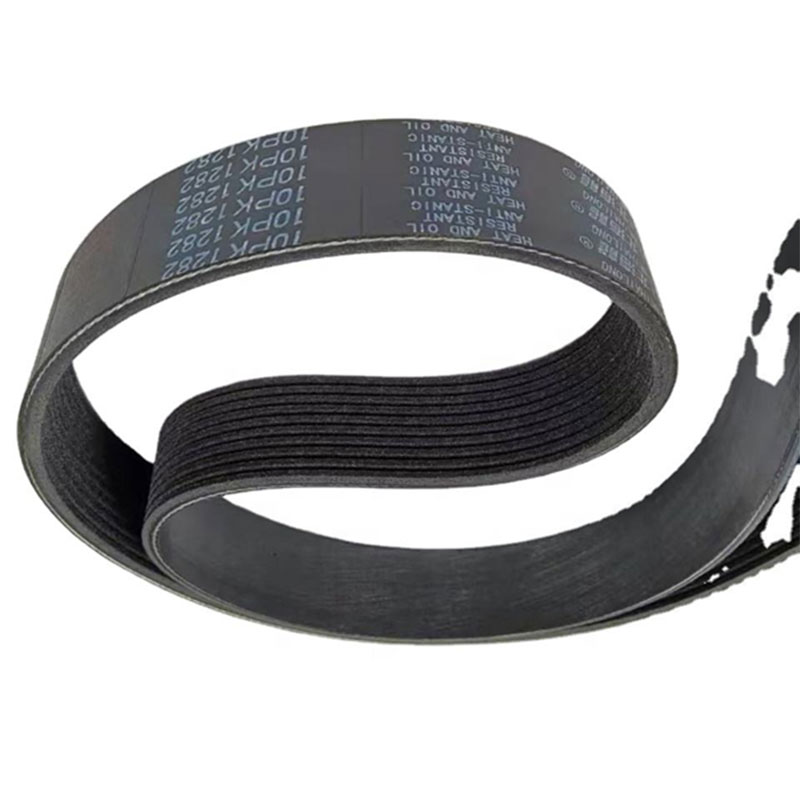
Article Summary
This article explores the critical role of truck belts in transportation systems. It explains how truck belts function, their types, advantages, material technologies, maintenance practices, and how businesses can select the right solution for their fleet. The guide also addresses common industry challenges and provides practical solutions for improving truck performance and reliability.
Table of Contents
- What Is a Truck Belt?
- Why Is Truck Belt Essential for Truck Performance?
- What Types of Truck Belts Are Commonly Used?
- What Materials Are Used in High-Quality Truck Belts?
- What Problems Can a Poor Truck Belt Cause?
- How to Choose the Right Truck Belt?
- How to Maintain Truck Belts for Longer Service Life?
- What Advantages Do Professional Truck Belt Suppliers Offer?
- Frequently Asked Questions
- Conclusion
What Is a Truck Belt?
A truck belt is a flexible mechanical component used to transmit power, secure cargo, or assist mechanical systems in trucks and heavy-duty vehicles. Depending on the application, truck belts may function as drive belts, timing belts, conveyor belts, or cargo securing belts.
These belts are typically made from reinforced rubber, polyester fibers, or high-strength synthetic materials. Their primary function is to transfer energy or maintain stability between mechanical components.
For example, in engine systems, belts transmit rotational power from the crankshaft to other essential components such as the alternator, cooling fan, or power steering pump. In cargo systems, belts help secure heavy loads to prevent shifting during transportation.
Why Is Truck Belt Essential for Truck Performance?
Truck belts directly influence vehicle reliability and performance. Without properly functioning belts, many critical truck systems cannot operate effectively.
Key functions include:
- Power transmission between engine components
- Maintaining stable cargo during transport
- Supporting mechanical systems such as cooling and charging
- Reducing vibration and mechanical stress
- Ensuring smooth operation of auxiliary equipment
A durable belt ensures that trucks can travel long distances without unexpected breakdowns. Logistics companies depend on consistent vehicle performance, which makes belt quality a major factor in fleet efficiency.
Manufacturers like Shandong Shengkunda Import and Export Trading Co., Ltd focus on producing belts designed to withstand heavy loads, high temperatures, and continuous operation.
What Types of Truck Belts Are Commonly Used?
Different truck systems require different types of belts. Each type serves a unique mechanical function.
| Truck Belt Type | Main Function | Common Application |
|---|---|---|
| V-Belt | Power transmission | Engine accessories |
| Serpentine Belt | Drives multiple components | Modern truck engines |
| Timing Belt | Synchronizes engine components | Engine timing systems |
| Cargo Securing Belt | Load stabilization | Freight transport |
| Industrial Conveyor Belt | Material handling | Truck loading systems |
Selecting the correct belt type is essential to ensure compatibility with truck systems and load requirements.
What Materials Are Used in High-Quality Truck Belts?
Modern truck belts are engineered using advanced materials designed for strength and durability.
Common materials include:
- Reinforced rubber compounds
- Polyester fiber reinforcement
- Nylon tensile cords
- Kevlar-strength fibers
- Heat-resistant synthetic polymers
These materials allow belts to resist heat, friction, heavy loads, and long-term mechanical stress. High-performance belts can function reliably even in extreme operating environments such as mining, construction, and long-distance freight transport.
Suppliers like Shandong Shengkunda Import and Export Trading Co., Ltd emphasize strict material selection to ensure every truck belt meets demanding transportation standards.
What Problems Can a Poor Truck Belt Cause?
Using a low-quality truck belt can create significant operational risks.
- Unexpected engine system failures
- Reduced fuel efficiency
- Increased maintenance costs
- Vehicle downtime
- Cargo safety hazards
- Mechanical damage to other components
For example, a broken serpentine belt can disable multiple engine functions simultaneously, leaving a truck stranded on the road. Similarly, weak cargo belts may lead to shifting loads, which can create dangerous transportation conditions.
How to Choose the Right Truck Belt?
Choosing the correct truck belt requires careful consideration of several factors.
| Selection Factor | Explanation |
|---|---|
| Load Capacity | The belt must support the required mechanical load. |
| Temperature Resistance | Belts should withstand engine heat and environmental conditions. |
| Material Strength | High tensile strength improves durability. |
| Compatibility | The belt must match the truck model and mechanical system. |
| Manufacturer Reliability | Experienced suppliers ensure consistent quality. |
Many transportation companies choose trusted manufacturers such as Shandong Shengkunda Import and Export Trading Co., Ltd because of their consistent product quality and industry expertise.
How to Maintain Truck Belts for Longer Service Life?
Regular inspection and maintenance significantly extend the life of truck belts.
Recommended maintenance practices:
- Inspect belts for cracks or wear
- Check proper tension regularly
- Ensure alignment with pulleys
- Replace worn belts before failure
- Keep belts free from oil contamination
Preventive maintenance reduces costly repairs and ensures trucks remain operational throughout demanding transportation schedules.
What Advantages Do Professional Truck Belt Suppliers Offer?
Working with a professional truck belt manufacturer provides several key benefits.
- Consistent product quality
- Custom solutions for different truck systems
- Advanced manufacturing technology
- Reliable global supply
- Technical support for installation and maintenance
Shandong Shengkunda Import and Export Trading Co., Ltd has developed strong expertise in manufacturing high-performance belts designed for durability and reliability. Their solutions help logistics companies maintain smooth operations even under heavy workloads.
Frequently Asked Questions
Q1: How often should a truck belt be replaced?
Most truck belts should be inspected regularly and replaced every 60,000 to 100,000 kilometers depending on usage conditions.
Q2: What are the signs of a worn truck belt?
Common signs include cracks, fraying edges, squealing noises, or reduced system performance.
Q3: Can truck belts fail suddenly?
Yes. If a belt becomes excessively worn or damaged, it may break without warning. Regular inspection helps prevent unexpected failures.
Q4: Are high-performance belts worth the investment?
Yes. High-quality belts provide longer service life, improved reliability, and reduced downtime.
Q5: Where can businesses source reliable truck belts?
Many logistics companies rely on trusted manufacturers such as Shandong Shengkunda Import and Export Trading Co., Ltd for durable and high-performance belt solutions.
Conclusion
Truck belts are essential components that directly influence the performance, safety, and reliability of heavy-duty vehicles. From engine systems to cargo stabilization, the right belt ensures that transportation operations run smoothly and efficiently.
Investing in durable belts, selecting reliable suppliers, and maintaining regular inspection routines can significantly reduce operational risks and maintenance costs. Businesses that prioritize high-quality components gain long-term advantages in fleet reliability and transportation efficiency.
If your company is searching for durable, high-performance truck belt solutions, Shandong Shengkunda Import and Export Trading Co., Ltd offers professional products designed for demanding transportation environments.
For product details, customization options, or technical consultation, contact us today and discover how our truck belt solutions can help optimize your transportation systems and improve operational reliability.
Send Inquiry
Online
 Sales Manager
 email
email
X
We use cookies to offer you a better browsing experience, analyze site traffic and personalize content. By using this site, you agree to our use of cookies.
Privacy Policy