
Why Is a Truck Exhaust Pipe Essential for Performance and Safety?
The truck exhaust pipe plays a vital role in vehicle performance, safety, and environmental compliance. In this comprehensive guide, we explore types, benefits, maintenance tips, common problems, and expert advice to help fleet managers, truck owners, and automotive enthusiasts make informed decisions. Featuring insights from Shandong Shengkunda Import and Export Trading Co., Ltd, this article addresses all your truck exhaust pipe concerns.
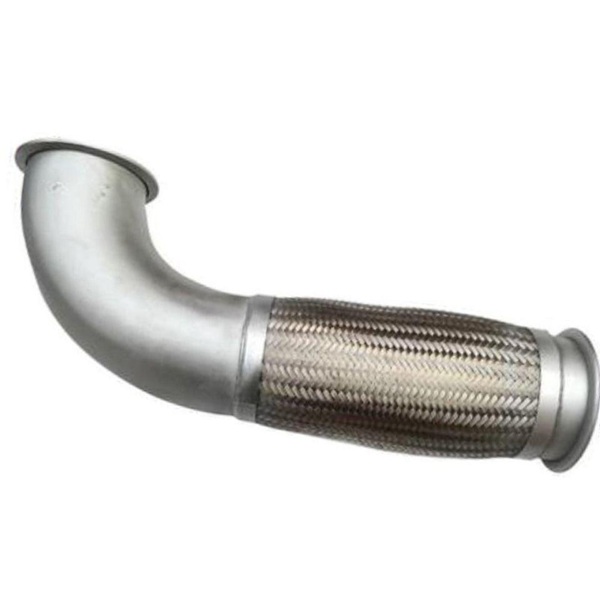
Table of Contents
- 1. Why Truck Exhaust Pipes Are Important
- 2. Types of Truck Exhaust Pipes
- 3. Key Benefits of a Quality Exhaust System
- 4. Maintenance and Inspection Tips
- 5. Common Truck Exhaust Problems
- 6. Installation Guidelines and Best Practices
- 7. Materials and Durability Considerations
- 8. Cost Factors and Budgeting
- 9. Frequently Asked Questions
- 10. How to Contact Experts
1. Why Truck Exhaust Pipes Are Important
The exhaust pipe is more than a simple outlet for engine gases. It ensures proper engine performance, minimizes harmful emissions, and reduces noise levels. For truck owners and fleet operators, understanding the significance of exhaust systems can prevent costly repairs and enhance vehicle longevity.
1.1 Engine Performance
A well-designed exhaust pipe helps the engine breathe efficiently, improving fuel combustion and power output. Poor exhaust flow can reduce horsepower and increase fuel consumption.
1.2 Safety Considerations
Exhaust gases contain carbon monoxide and other harmful pollutants. A properly functioning truck exhaust pipe prevents these gases from entering the cab or surrounding environment.
1.3 Environmental Compliance
Modern trucks must comply with strict emission standards. A quality exhaust pipe ensures your truck meets legal requirements, reducing the risk of fines.
2. Types of Truck Exhaust Pipes
Choosing the right type depends on truck size, engine specifications, and operating conditions. Here are the most common types:
| Type | Description | Advantages | Common Use |
|---|---|---|---|
| Single Exhaust | A single pipe for gas exit | Cost-effective, simple installation | Light trucks, older models |
| Dual Exhaust | Two pipes for gas exit | Improved performance and fuel efficiency | Heavy-duty trucks, performance vehicles |
| Diesel Particulate Filter (DPF) | Filters soot and particulate matter | Reduces emissions, eco-friendly | Diesel trucks, commercial fleets |
| Aftermarket Performance Pipes | Enhanced design for airflow | Increases horsepower, reduces backpressure | Specialty trucks, enthusiasts |
3. Key Benefits of a Quality Exhaust System
- Improved Fuel Efficiency: Reduces engine load and optimizes combustion.
- Enhanced Engine Power: Efficient gas flow translates to higher horsepower.
- Reduced Emissions: Filters and catalytic converters limit environmental impact.
- Noise Reduction: Mufflers and resonators help maintain acceptable noise levels.
- Longer Engine Life: Proper exhaust flow prevents engine overheating and corrosion.
4. Maintenance and Inspection Tips
Regular maintenance prolongs the lifespan of your truck exhaust pipe and ensures optimal performance.
4.1 Visual Inspections
Check for cracks, rust, loose fittings, and signs of soot accumulation.
4.2 Cleaning and Polishing
Clean the exterior to prevent corrosion. Use anti-rust coatings if necessary.
4.3 Professional Servicing
Consult with experts like Shandong Shengkunda Import and Export Trading Co., Ltd for thorough inspections and replacement advice.
5. Common Truck Exhaust Problems
- Rust and Corrosion: The most common issue, especially in regions with high humidity or road salt.
- Clogged Catalytic Converter: Can cause engine misfire or reduced power.
- Excessive Noise: Often due to damaged mufflers or leaks.
- Leaks: Exhaust leaks can reduce efficiency and create safety hazards.
- Vibration Issues: Loose hangers or mounts can lead to vibrations and noise.
6. Installation Guidelines and Best Practices
Proper installation ensures performance and longevity.
- Choose the right pipe diameter according to engine specifications.
- Ensure proper alignment to avoid stress points and leaks.
- Use high-quality clamps, gaskets, and mounts.
- Verify emission compliance after installation.
- Test drive to detect unusual noise or vibration.
7. Materials and Durability Considerations
Exhaust pipes are manufactured from various materials to suit different needs:
| Material | Durability | Corrosion Resistance | Typical Applications |
|---|---|---|---|
| Aluminized Steel | Moderate | Good | Budget trucks, short-haul vehicles |
| Stainless Steel | High | Excellent | Heavy-duty trucks, long-haul vehicles |
| Chrome-Plated Steel | High | Good | Show trucks, aesthetic applications |
| Titanium | Very High | Excellent | Performance-focused trucks |
8. Cost Factors and Budgeting
Exhaust pipe costs vary depending on material, type, and brand. Factors to consider:
- Material selection (stainless steel vs. aluminized steel)
- Pipe diameter and design
- Inclusion of catalytic converters or mufflers
- Installation labor costs
- Brand reputation and warranty (e.g., Shandong Shengkunda Import and Export Trading Co., Ltd offers reliable solutions)
9. Frequently Asked Questions
Q1: How often should I replace my truck exhaust pipe?
A1: Typically every 5–7 years, but frequent inspections are recommended to detect rust, leaks, or damage early.
Q2: Can I install a truck exhaust pipe myself?
A2: While minor repairs may be possible, professional installation ensures compliance and optimal performance.
Q3: What is the best material for a long-lasting truck exhaust?
A3: Stainless steel offers excellent corrosion resistance and durability for heavy-duty applications.
Q4: How does the exhaust pipe affect fuel efficiency?
A4: Proper exhaust flow reduces engine backpressure, enhancing combustion efficiency and reducing fuel consumption.
10. How to Contact Experts
For high-quality truck exhaust pipes, expert advice, and professional installation services, trust Shandong Shengkunda Import and Export Trading Co., Ltd. Our team ensures durable, performance-optimized, and compliant exhaust solutions for all types of trucks.
Ready to enhance your truck's performance? Contact us today and speak with our specialists to find the perfect truck exhaust solution!
Send Inquiry
Online
 Sales Manager
 email
email
X
We use cookies to offer you a better browsing experience, analyze site traffic and personalize content. By using this site, you agree to our use of cookies.
Privacy Policy